16.4.26
When Dance Becomes a Listening Experience – “Become Ocean” in Die Deutsche Bühne
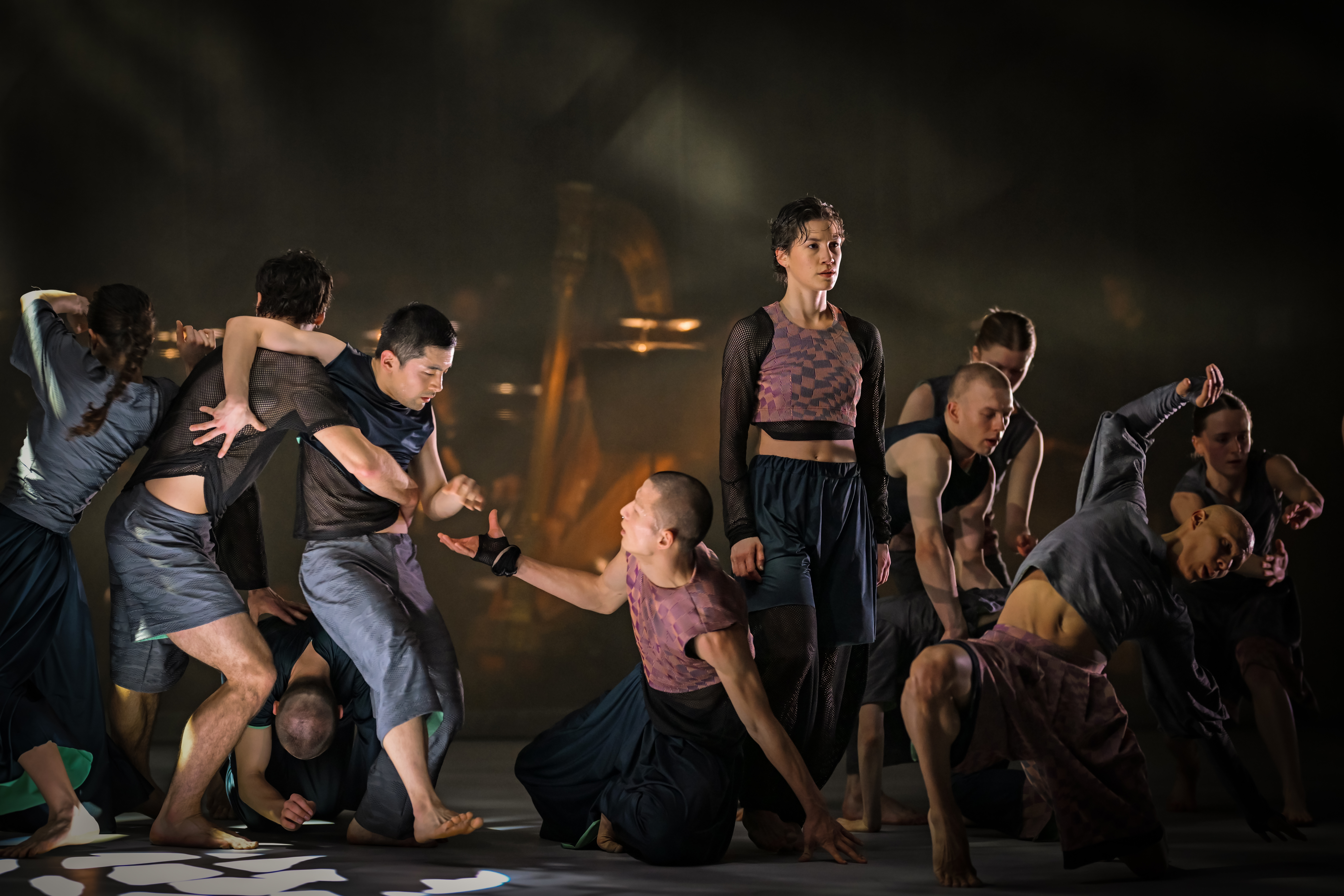
With the world premiere of “Become Ocean,” the Hessisches Staatsballett once again demonstrates its distinctive artistic voice, balancing musical sensitivity with choreographic precision. A recent review in Die Deutsche Bühne particularly highlights the unique perceptual quality of the evening.
At the heart of the review is the consistent decision by the choreographic duo Chen-Wei Lee and Zoltán Vakulya to begin the performance not visually, but acoustically. Even before the stage space reveals itself, the audience is immersed in a finely calibrated soundscape—an invitation to listen, allowing vision to follow only gradually. The review describes this shift in attention as both intelligent and effective, as it compels the audience to first engage with the music.
The choreography itself is conceived less as an illustration than as a translation of John Luther Adams’s award-winning composition. Movements emerge from musical currents, condense, and dissolve again—always in dialogue with the sound. The ensemble develops a collective dynamic that unfolds less through narrative and more through atmosphere.
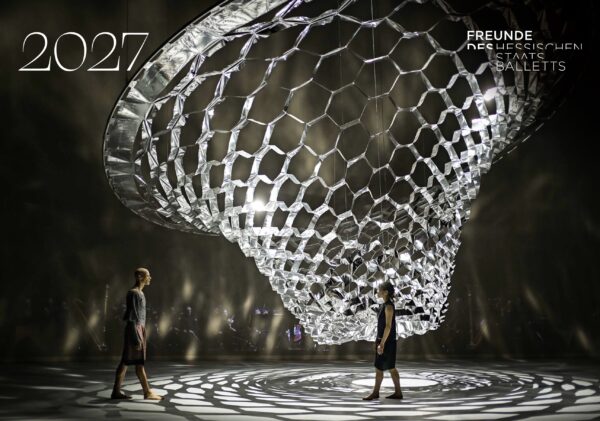
The visual design is also particularly emphasized: a reflective object hovering above the stage, together with a nuanced lighting concept, creates a distinct, almost organic visual world. Music, space, bodies, and light interweave, generating a dense perceptual field in which the audience must continually find its bearings.
At the same time, the review does not shy away from the challenges of the piece: “Become Ocean” պահանջs patience. Its slow developments, cyclical structure, and deliberate avoidance of a clear climax may be perceived as demanding. Yet, according to the review, this is precisely where the work’s strength lies. Those who engage with this mode of seeing and listening experience a consistently composed evening of dance that prioritizes sustained perception over immediate effect.
“Become Ocean” thus appears exemplary of the curatorial direction of the Hessisches Staatsballett: an evening that does not aim for quick impressions, but for an intense interplay of time, space, and ensemble—opening up new perspectives on the relationship between music and movement.