(Of) Classical Nature
This piece explores connection—connection with oneself, with another person, or with something greater than us. It lingers in the quiet, fragile moments in which we choose to trust, to lean in, or to surrender, and in the layered emotions that rise to the surface as we do. Placing one’s trust in something outside oneself can feel comforting or hopeful, but it can also feel desperate, disorienting, or even a little wild. Often, these feelings coexist and blur into something honest and deeply human.
The work draws its strength from juxtapositions: closeness meets isolation, tension meets release, and trust meets uncertainty. These contrasts are not treated as contradictions, but as layers of the same experience—the back and forth that shapes our relationship with the world and with one another. In this meeting of opposites, connection emerges.
In this meeting of opposites, connection emerges.
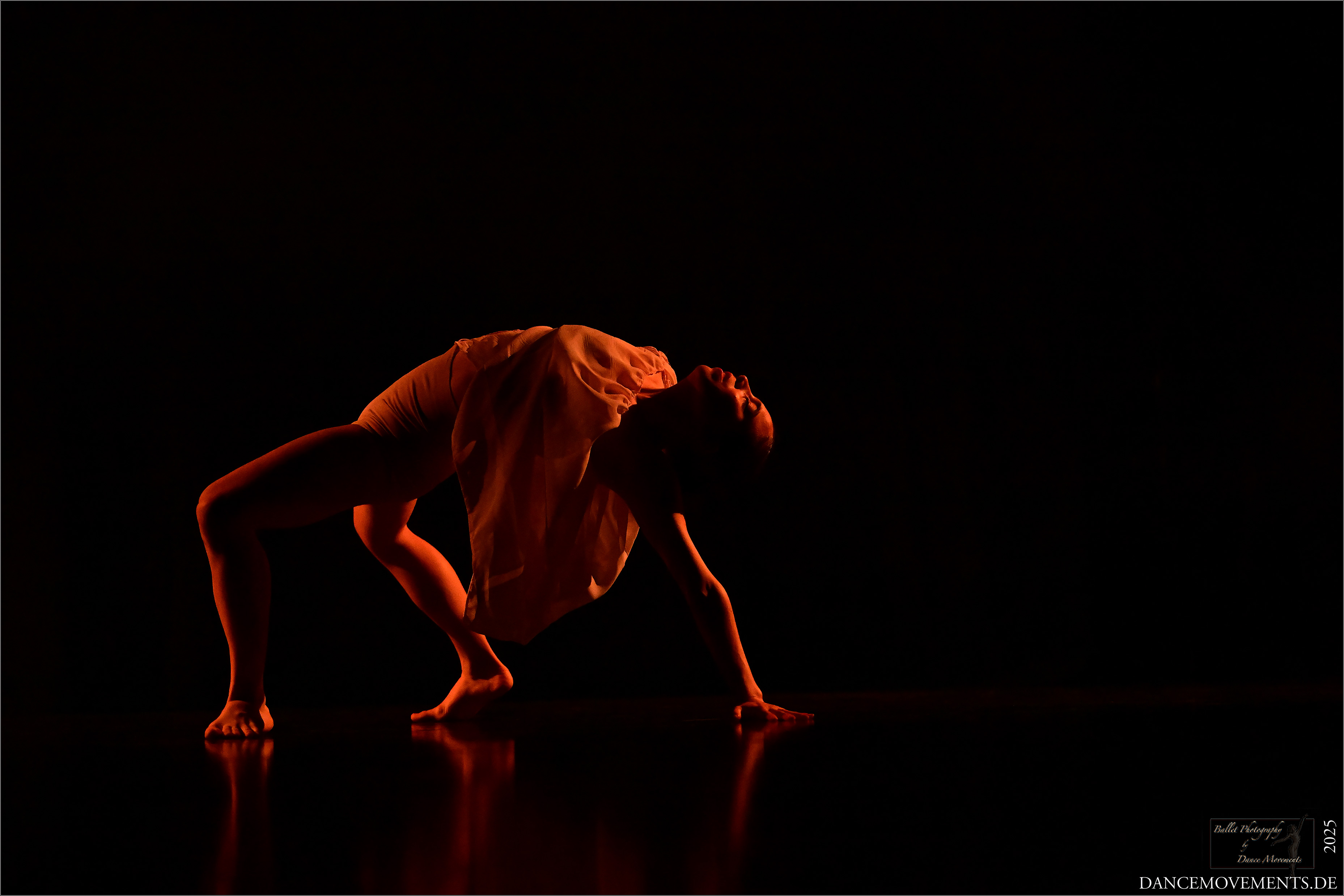
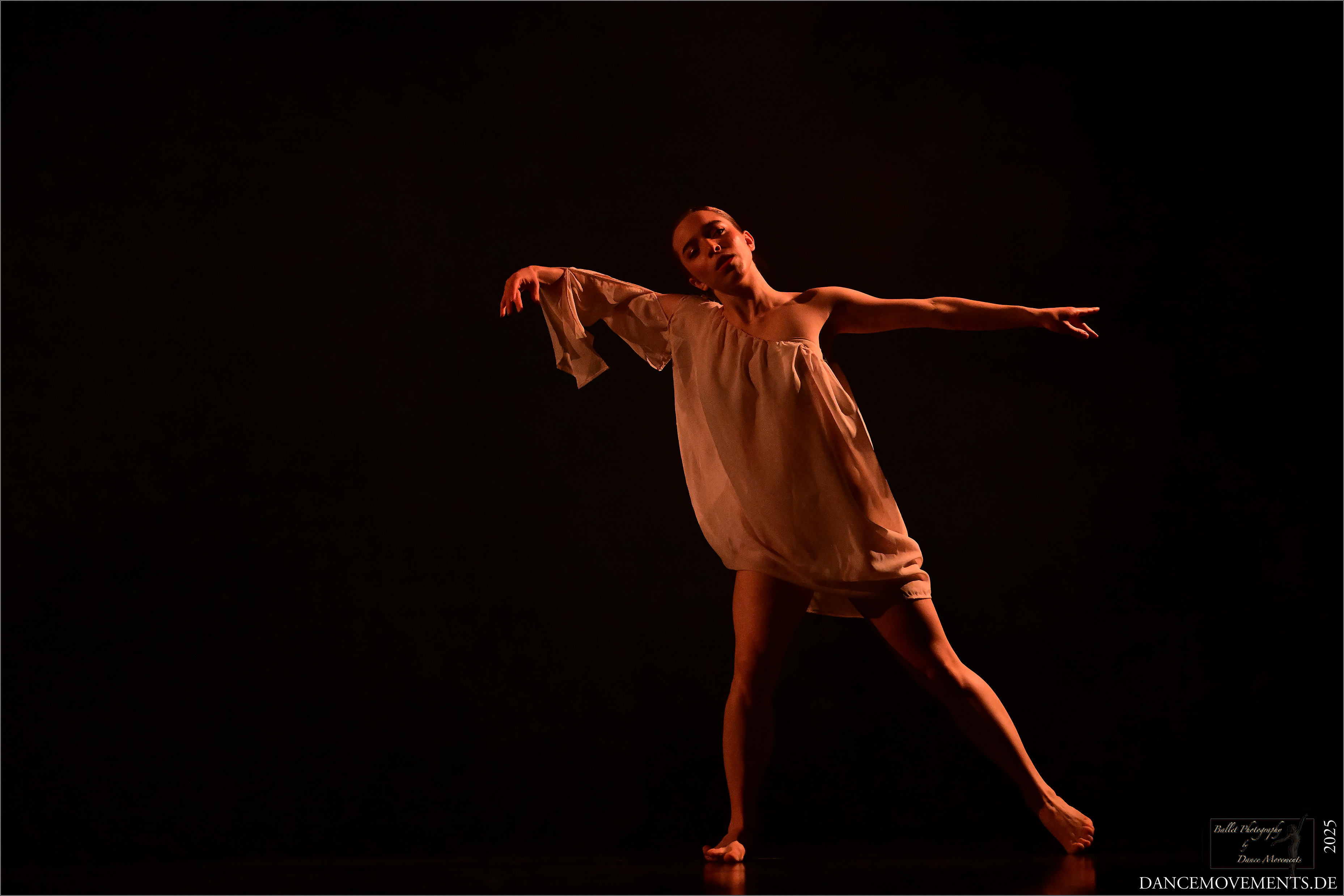
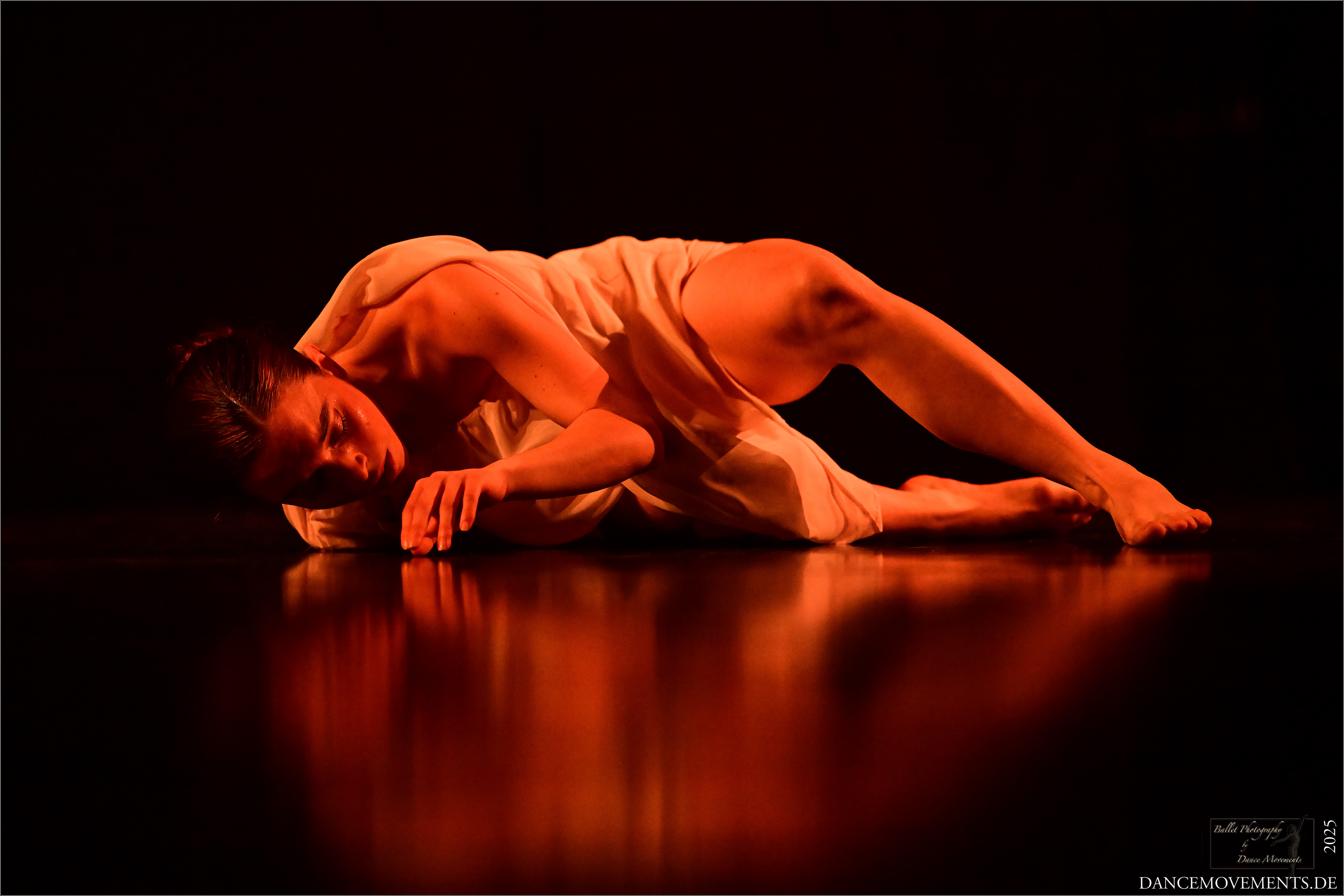
Credits
Credits
Created by: Zoe de Torres Curth, Maria Muñiz, Manon Veenstra, Lucía Valero – EDGE Dance Project e.V.
Costumes: Sonja Veenstra
Photos: dancemovements.de
Video reel: EDGE Dance Project e.V.
Trailer
You are currently viewing a placeholder content from Vimeo. To access the actual content, click the button below. Please note that doing so will share data with third-party providers.
EDGE Dance Project e.V.
EDGE Dance Project e.V. is an independent contemporary and neoclassical dance company based in Mainz. The company consists of five dancers united by a shared passion for movement and expression. Their work is rooted in the values of authenticity, self-expression, and inclusivity, which serve as a foundation for continually creating new work and expanding the reach of their art within the surrounding community.
You are currently viewing a placeholder content from Vimeo. To access the actual content, click the button below. Please note that doing so will share data with third-party providers.
Biographies
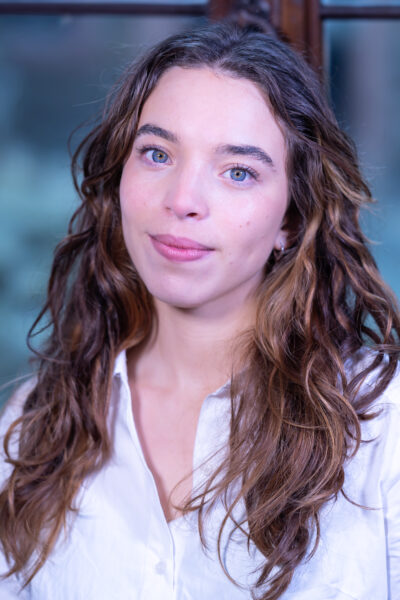
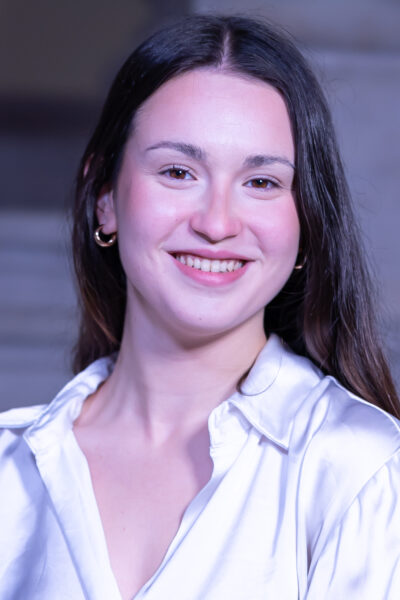
Zoe de Torres Curth (Argentinian) is a freelance dancer based in Mainz and the founder of EDGE Dance Project e.V. She has trained and performed internationally, including at Fundación Julio Bocca in Argentina, the Neglia Conservatory of Ballet and Bossov Ballet Theater in the United States, the Area Jeune Ballet in Switzerland, as well as with the Evolution Dance Platform and EDGE Dance Project e.V. in Germany. Her work focuses on neoclassical and contemporary dance, and she is also a certified Pilates instructor. Zoe is deeply committed to creating a supportive and professional environment for dancers, offering meaningful opportunities for artistic growth, and building genuine connections with audiences through her work.
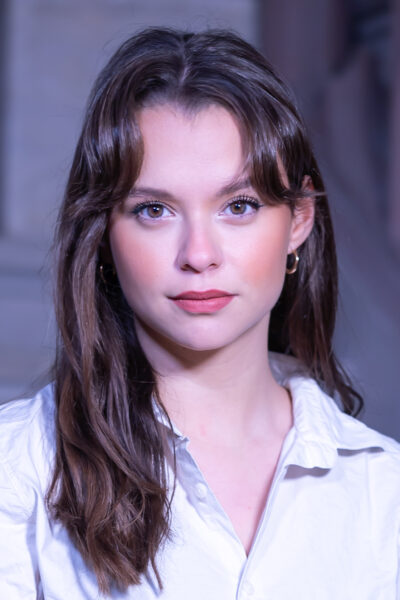
Maria Muñiz (Spanish) is a dancer based in Mainz. She began dancing at the age of four in her hometown of Santander, Spain. At fourteen, she pursued a professional path and joined the Real Conservatorio Profesional de Danza Mariemma in Madrid. After graduating at nineteen, she spent a year in a junior company in Biarritz, France, before moving to Mainz to take part in the Evolution Dance Platform program. She is currently a dancer with EDGE Dance Project e.V. and is simultaneously pursuing higher education in the field of audiovisual projects.
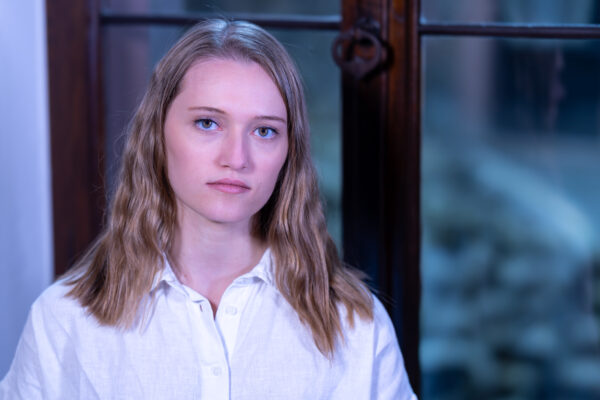
Manon Veenstra (Dutch) is a contemporary dancer based in Mainz. She completed her Bachelor’s degree in Contemporary Dance in Zurich, Switzerland, followed by an internship with MN Dance Company in Nova Gorica, Slovenia. She is currently dancing with EDGE in Mainz. For Manon, the power of dance lies in its connection to music and in its ability to tell stories.
In talk with Zoe de Torres Curth
What does it mean to be artistically active in the independent (freelance) scene in Wiesbaden and the surrounding area?
Working in the independent, freelance dance scene is definitely challenging, but in my experience it is also very enriching. I love collaborating with people of different backgrounds, training paths, and strengths. What unites all the dancers I work with is their passion and dedication to their work. The lack of a fixed structure forces us to be creative not only artistically but also organizationally. While this can be exhausting, it also strengthens the sense of community and the resilience of the scene.
What was the starting point for your work, and were there any major challenges?
The starting point for us was the music. This still-unfinished work is part of a larger show featuring four different dance genres; for this section, we drew inspiration from classical music. Building on that, we considered what we wanted to express with the piece. This is a very personal matter for each dancer—what the piece means to them individually—but the core idea was to focus on connection. In a time when we are constantly digitally connected, what other forms of connection still exist?
How do you envision the development of the independent scene in Wiesbaden over the next five years? What is your vision for its future?
I very much hope that the independent dance scene in Wiesbaden and the surrounding area will grow. There are so many talented, independent artists who devote themselves to their work with great passion. Unfortunately, we still lack the necessary infrastructure to develop and present their work. There are few, if any, venues for dance performances that are both affordable and suitable for dance in terms of size and conditions. In five years, I imagine a scene in which artists have access to rehearsal spaces, residencies, and venues dedicated to supporting independent work. I hope for a stronger network in which artists can collaborate more easily, share resources, and turn the region into a vibrant center for contemporary dance.
How does your experience as a dancer influence your choreographic practice—and how does choreography, in turn, influence the way you dance?
I see the two as inseparably connected. For me, one cannot exist without the other. My experience as a dancer gives me a deep understanding of movement from an internal perspective: how it feels, how it flows through the body, and what emotional or physical states it can evoke. This perspective naturally shapes the way I develop choreography. Choreography, in turn, influences my dancing by challenging me to execute movements more consciously and with greater intention. Creating choreography forces me to think about structure, clarity, and meaning, and these considerations feed back into my dancing. The two practices constantly enrich one another.
Is there something specific you would like to convey to the audience through this work?
I hope the audience can relate to the piece, but not in a single, prescribed way. On the contrary, I would love to know what each individual felt, whether their interpretations were similar or completely different. I want to give them a sense of not being alone or isolated. If the work can convey even a brief moment of recognition or connection, then it has fulfilled its purpose.
Have you ever experienced creative blocks? If so, how do you deal with or overcome them?
Absolutely. I draw inspiration from other art forms, whether music, poetry, or something entirely different. I also try to see many dance performances; watching other dancers inspires me greatly. Sometimes it helps to take a break from the studio and give myself time to process new ideas, allowing my creative process to get moving again.
How do you choose the title for your contribution?
We knew that we wanted to use classical music and explore the theme of connection. I believe that connection is part of our nature, and that is how (Of) Classical Nature came about. The title reflects both the musical foundation of the piece and the human impulses that drive it.
Regarding the pieces in our “Work in Progress” program: when and how do you decide that a work is finished—or do you feel that a work is ever truly finished?
I don’t believe that a work of art is ever truly finished, and I think that’s a good thing. There is always something that can be improved, refined, or perfected. But art also shouldn’t be perfect; what is perfect for one person may feel imperfect to another. And that is precisely the beauty of live performance: you never see exactly the same thing twice. That is incredibly powerful. I feel comfortable presenting a piece once I am clear about what I want to communicate and when the dancers have reached a high technical level. However, I am convinced that a piece can continue to evolve, and I enjoy returning to works later on and discovering new facets within the