Humans 2.0
The next chapter of Circa’s internationally acclaimed Humans, created by circus visionary Yaron Lifschitz
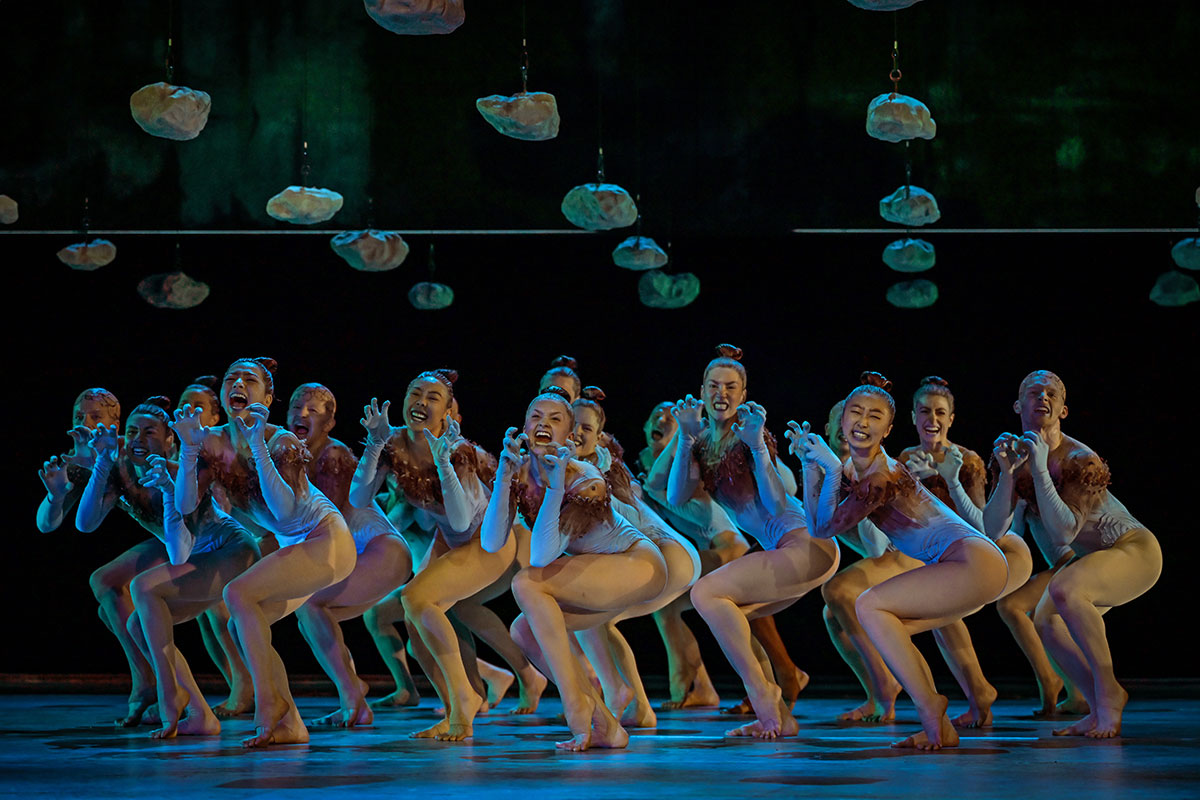
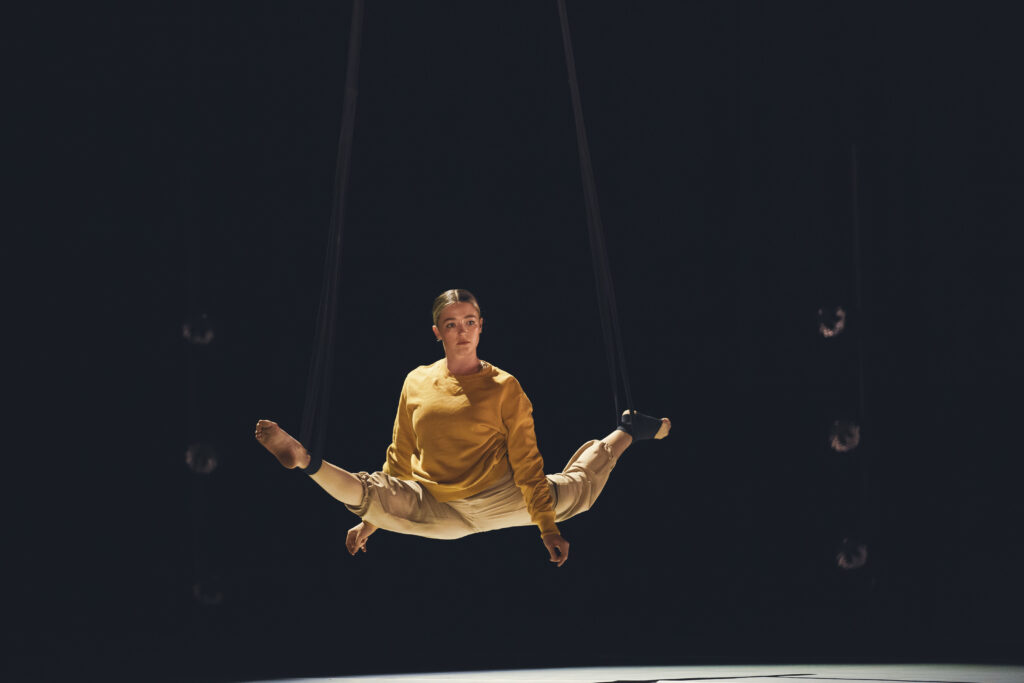
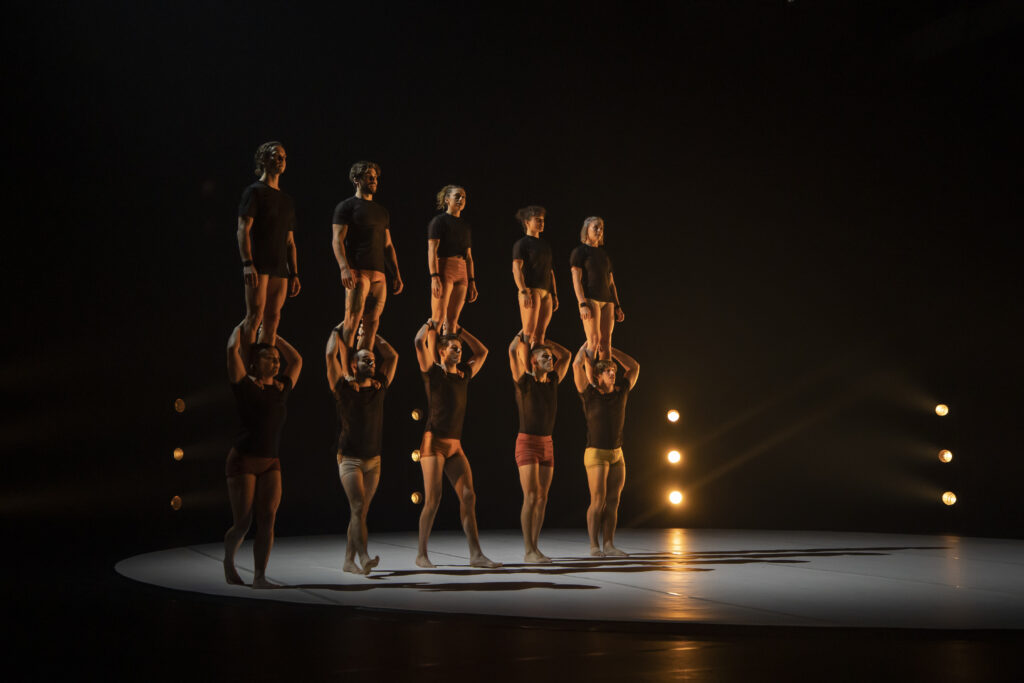
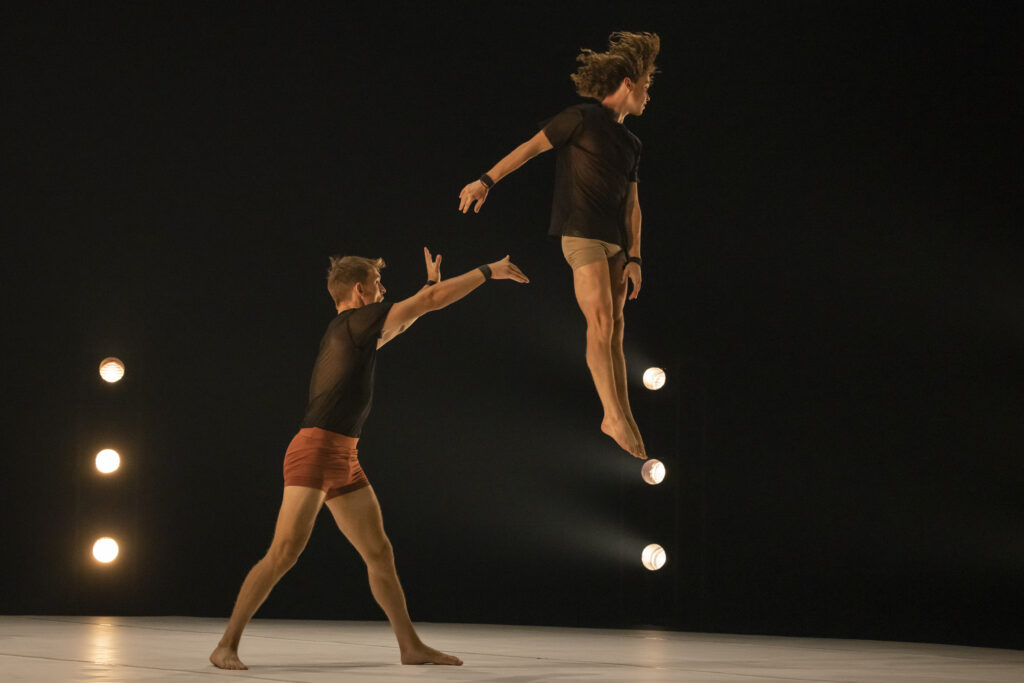
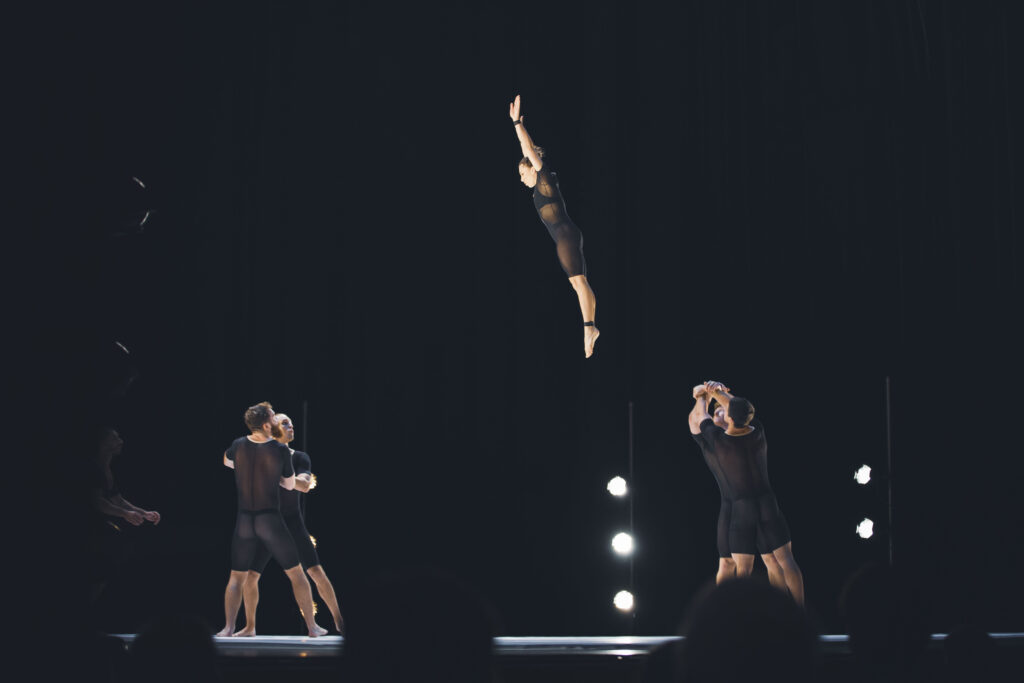
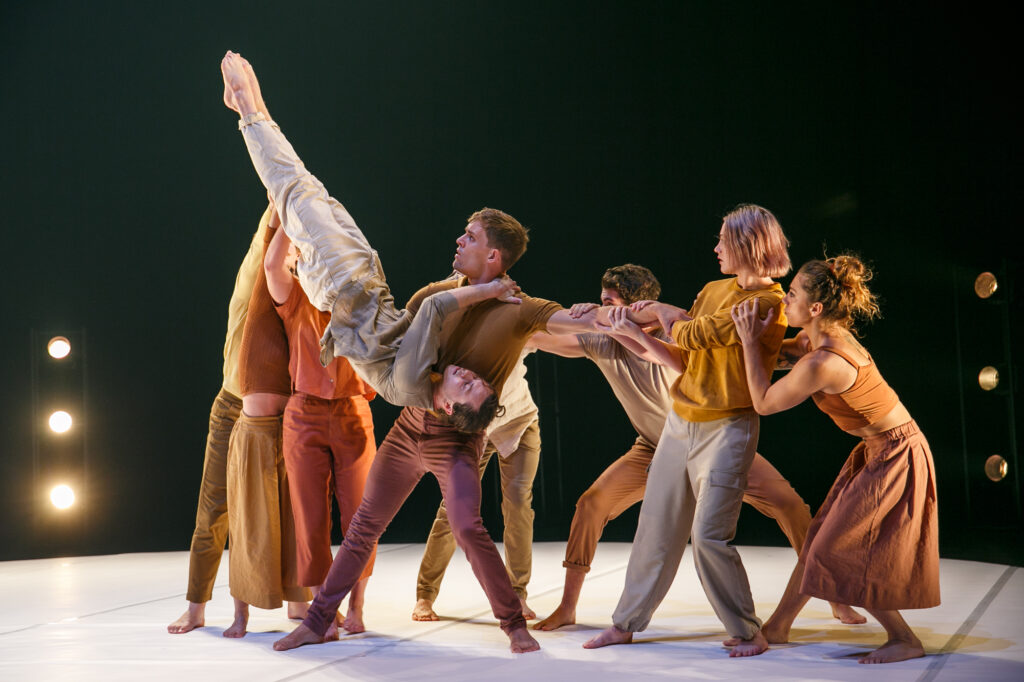
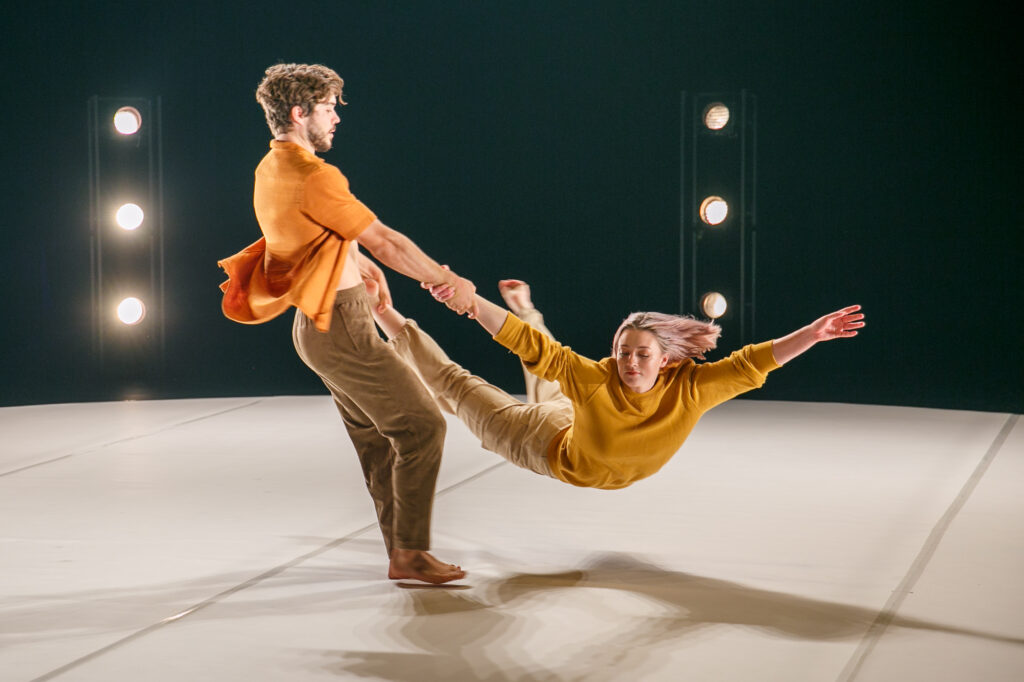
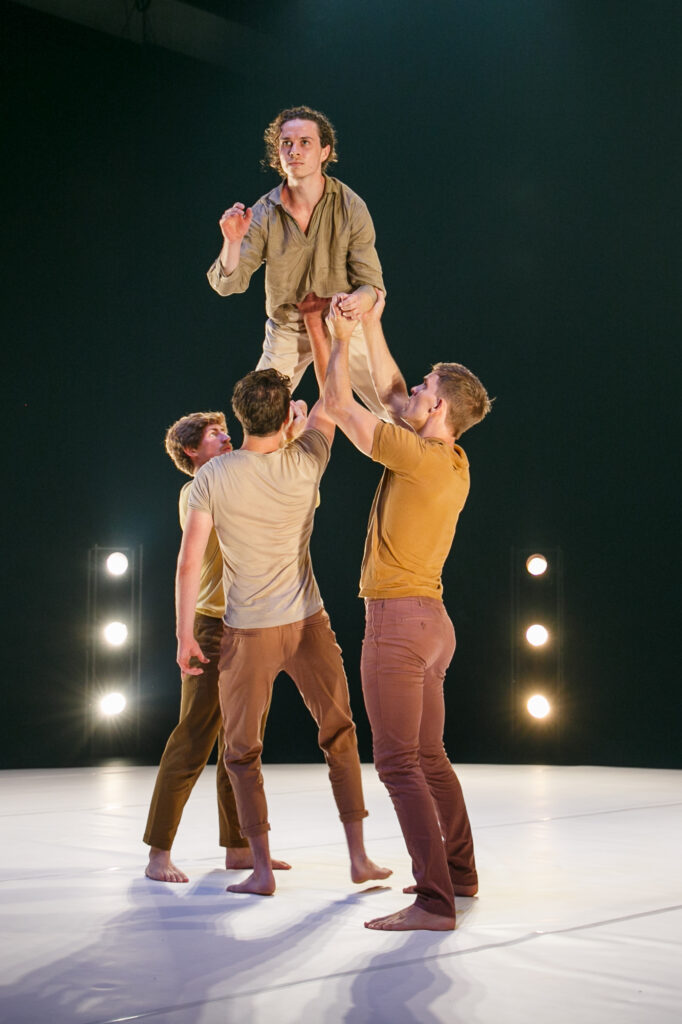
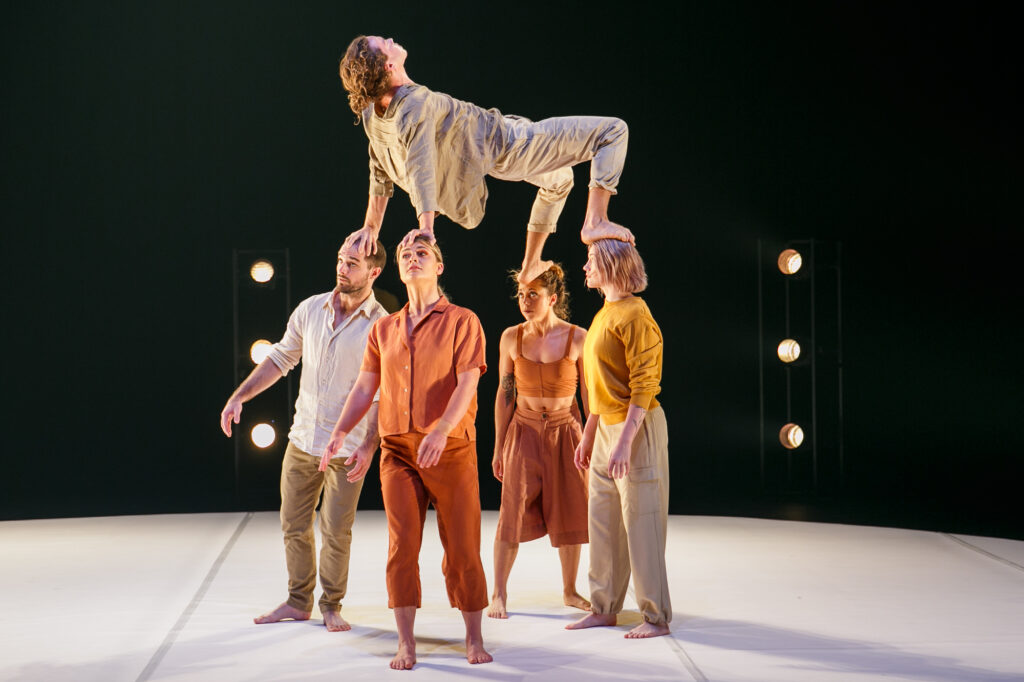
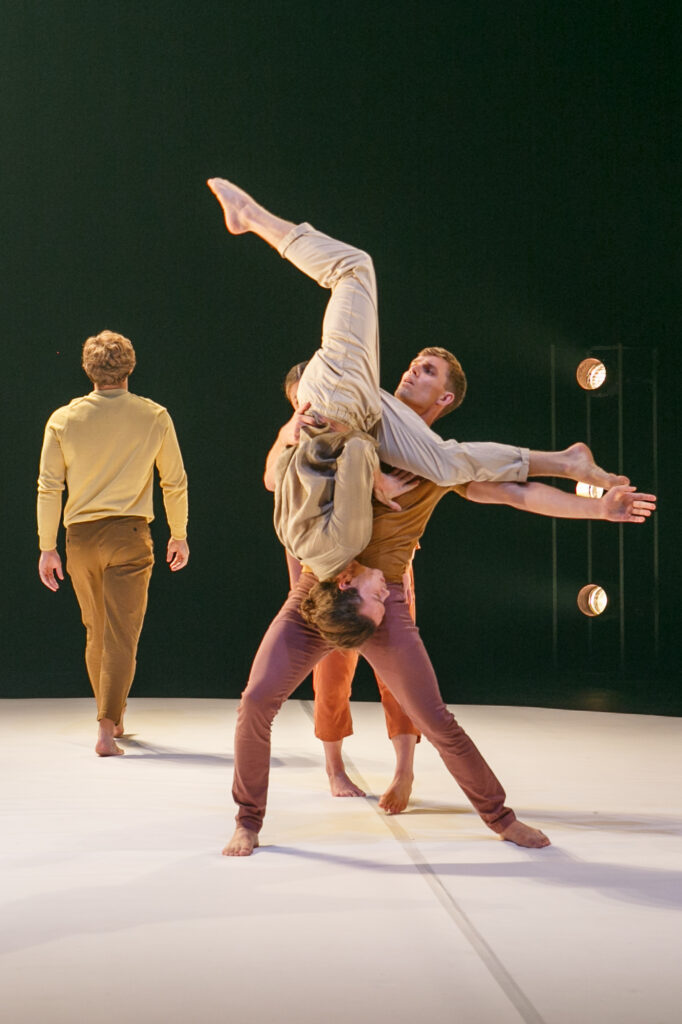
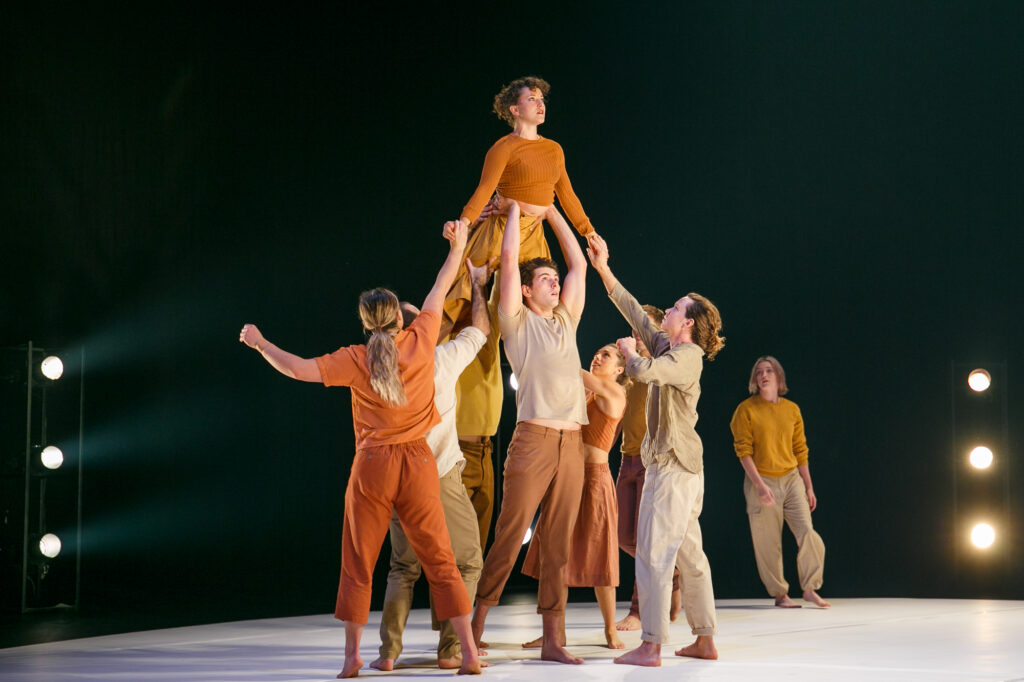
Ten bodies appear in a flash of light. They move in harmony for a fleeting moment and then descend into a sinuous trance. Towers grow and decay, bodies leap and are caught, as physical limits are pushed to their extreme. Can we ever find a perfect balance or is adapting to constant change the only way forward?
This next chapter of Circa’s internationally acclaimed Humans is a tightly woven choreography of bodies, pulsing with music by composer Ori Lichtik and revealed in Paul Jackson’s dramatic lighting. Created by circus visionary Yaron Lifschitz, Humans 2.0 is intimate, primal and deeply engaged with the challenge of being human.
Age Suitability: 8+
(c) Amos Adams & Pedro Greig
Circa
Circa Contemporary Circus is one of the world’s leading performance companies. Since 2004, from its base in Brisbane, Australia, Circa has toured the world – performing in more than 45 countries to nearly 2 million people. Circa’s works have been greeted with standing ovations, rave reviews and sold-out houses across six continents.
Circa is at the forefront of the new wave of contemporary Australian circus – pioneering how extreme physicality can create powerful and moving performances. It continues to push the boundaries of the art form, blurring the lines between movement, dance, theatre and circus. Compelled by the question ‘what is possible in circus?’ Circa is leading the way with a diverse range of thrilling creations that ‘redraw the limits to which circus can aspire.’ (The Age).
Under the direction of circus visionary Yaron Lifschitz, Circa features an ensemble of exceptional, multi-skilled circus artists who have been a regular fixture at leading festivals and venues in New York, London, Berlin and Montreal with seasons at Brooklyn Academy of Music, The Barbican Centre, Les Nuits de Fourvière, Chamäleon Theatre as well as major Australian Festivals.
Visit circa.org.au to find a Circa performance near you and discover why Circa has been hailed as nothing short of ”… a revolution in the spectacle of circus.“ (Les Echos).
Circa is committed to fostering the next generation of circus artists and runs public circus classes from its studio in Brisbane. Circa also runs regular circus programs with communities throughout Queensland and around Australia.
As a champion of live performance, Circa was the Creative Lead for the Gold Coast 2018 Commonwealth Games arts and cultural program.
Cast
Credits
Director Yaron Lifschitz
Original Music Ori Lichtik
Lighting Designer Paul Jackson
Costume Design Libby McDonnell
Technical Director Jason Organ
International representation
Wolfgang Hoffmann / Aurora Nova – Worldwide booking & coordination
Yaron Lifschitz / Circa – New creations & big dreams
Circa acknowledges the assistance of the Australian Government through Creative Australia, its principal arts investment and advisory body and the Queensland Government through Arts Queensland.
Humans 2.0 is a commissioned by the Mondavi Center, UC Davis.
Trailer
You are currently viewing a placeholder content from YouTube. To access the actual content, click the button below. Please note that doing so will share data with third-party providers.
Critics
“Jaw-dropping, seat-clawing and armchair-exhausting”
– ArtsHub, Aus
“… spellbinding physical drama, with just the right amount of play, death-defying tricks and whimsical imagery”
– The Conversation, Aus
“Humans 2.0 is a seriously sensational spectacle: as aesthetic as it is athletic, as comedic as it is grave, and all in all, a visceral delight.”
– The Conversation, Aus
“[Humans 2.0] pushes the boundaries of what circus and acrobatics can be”
– Time Out, Aus
“…70 minutes of wonder … perfectly timed, perfectly executed, perfectly staged”
– Courier Mail, Aus
“There is circus – and then there is Circa.”
– Theatre Travels, Aus
“…impressive and sophisticated contemporary New Circus at its best”
– Berlin Morning Post, Germany
Interview with Paul Jackson
AS IF BY DESIGN, THERE WAS LIGHT
As part of our exploration behind the scenes at Circa, we turned the spotlight on esteemed lighting designer, Paul Jackson, at the end of a busy day’s rehearsals. A graduate of the University of Melbourne and RMIT, Paul has designed lighting for The Australian Ballet, Royal New Zealand Ballet, Berlin Staatsballett, West Australian Ballet, Victorian Opera, West Australian Opera, Sydney Theatre Company, Melbourne Theatre Company… consider this a heavily abridged list.
He is currently working with Circa to design the lighting for Humans 2.0, which premieres at Carriageworks in January, as part of Sydney Festival.
Paul, what brings you to Brisbane and the Circa studios?
I work in theatre, dance, opera, ballet, predominantly in Melbourne and Sydney, although I travel quite a lot. Yaron [Lifschitz, Circa Artistic Director] and I have been circling each other for some time, and then Yaron contacted me about lighting Humans 2.0, and here I am.
What can we expect from Humans 2.0?
Yaron is very clear about the work and my job is largely to facilitate what’s in his head and also to read the work and place it in the space. For me, Humans 2.0 is possibly more existential and more – and I use the word hesitantly – serious than Humans. Not that Humans wasn’t serious, but there is something about the world we live in now, where everything is a little less certain.
We were just discussing how the acrobatic work has a sense of ethics about it: how we treat each other, how we hold each other, how we balance and encounter each other. All those issues read a lot stronger now than they did [prior to Covid-19].
How does Circa’s work differ from other performers you’ve worked with?
Circa is a very particular company. Certainly, it draws on some of the political aspects of Australian circus, but I think of Circa’s work as far more philosophical, more austere, slightly pulled-back. There’s still room for fun, but Circa is less concerned with delivering tricks. There is a thinking and a dramaturgy which makes it more reflective and creating a space where these aspects meet is a quite unique challenge.
Compared to theatre production Circa has a greater sense of troupe, of ongoing ensemble. My impression is that Yaron is focussed on clarity and being as articulate about an idea as possible. I respect that and find it a fascinating viewpoint.
Does your approach differ much for Humans 2.0?
Often, in a theatre production you steer the eye around the stage and adopt a more directorial gaze. This feels much more architectural: here is one experience of space, here is another experience of space, defined by the sequence of work. You’re building environments of light for the performance to inhabit.
Yaron and I discussed where the work was leading, philosophically and emotionally and that’s what I started responding to. Now that the actual work is being developed, we can further explore the emotional registers of humans and begin to interrogate our defined performance space.
Reflecting on your career, there are so many highlights. There must also be a few ‘show must go on!’ moments?
[Laughs] There was one very important opening night that springs to mind, when a new theatre company was launching itself in Melbourne and we’d prepared quite an ambitious double bill of work. The first night went beautifully… the second one, one of the moving lights wigged out and just started to randomly flash. They couldn’t get it to power down and so it proceeded to flash at random for the entire show. The reality is that in some shows the audience might not even notice a minor fault, but there was really no styling this one out.
Many opening nights can be quite terrifying in their own way. After that incident, I remember going to a show with a friend of mine and a light start misbehaving for a short time, but long enough for me to nearly break my friend’s hand, which I’d grabbed in alarm.
If I was interested in a career as a lighting designer, how might go about it?
I often tell people that I’m the last of a generation that could ‘wander in’, so I didn’t train formally; my degree is in English Literature. I came into theatre via acting and then wanting to be a director. I decided I should first learn about lighting and got hooked.
There are two paths now, really, depending on the industry you’re interested in. Those that go into live music shows, events and even major musicals often go through lighting hire companies like PRG. Generally, you’d do a Certificate 4 and start working as crew for them, working your way up as either crew chief or head rigger and so on.
The other path – and these aren’t mutually exclusive by any means – is to go through a college course, somewhere like the College of the Arts or NIDA to study production or design, and from there you start building relationships and start making shows. But in Australia there’s a lot of flexibility, compared to the US where the process is set: become an associate lighting designer and then a lighting designer.
Any tips, or piece of advice, for those climbing the rungs to lighting designer?
The biggest mistake is to forget that this is the most collaborative artform, so you have to listen. Performance arts are concerned with what matters, what’s meaningful and what’s beautiful and so you need to commit to conversation in order to explore these ideas. A lot of people think that lighting and sound are fundamentally about being technically competent. Yes, that is a requirement, but ultimately you have to be a collaborator.
Interview with Ori Lichtik

Currently there are no upcoming performances of this Program.