Chronicles programme booklet
Editorial
17 October 2014 – the curtain rises on the very first performance of the newly founded Hessisches Staatsballett. The beginning of a journey full of excitement and expectations for us as well as the dance-loving communities in Wiesbaden, Darmstadt and beyond.
Ten and a half years later, we thought about how we could celebrate this remarkable decade full of creativity, wonderful encounters and memories. So we developed a programme that, despite its name Chronicles, does not look back. Instead of a mere collection of past highlights, it dares to take a bold step forwards, just as it did when the Hessisches Staatsballett was founded. The result is a gala programme that carries the spirit of innovation and discovery and offers a variety of sensory impressions, both musically and choreographically.
Chronicles comprises no less than four world premieres, complemented by two existing works, creating a rousing and forward-looking celebration of our journey. These six short creations, choreographed by seven inspiring contemporary dance makers, highlight the remarkable artistic and technical diversity in the talent of our dancers.
We are all the more delighted to be accompanied by the wonderful orchestras of both state theatres, which we proudly call home.
I wish you a fantastic evening!
Bruno Heynderickx
Ballet Director
The programme
FAUNO
Choreography, stage & costumes Liliana Barros
Lighting Tanja Rühl
Rehearsal director Jaione Zabala Martin
Duration approx. 12 min.
You are currently viewing a placeholder content from Vimeo. To access the actual content, click the button below. Please note that doing so will share data with third-party providers.
Force Majeure
Choreography, stage & costumes David Raymond & Tiffany Tregarthen
Music Angèle David-Guillou
Piano Waldemar Martynel
Lighting James Proudfoot
Rehearsal director Jaione Zabala Martin
Original cast (For the rehearsal in the 2024/25 season)
Greta Dato, Gorka Duran Villar, Ramon John, Sayaka Kado, Kenedy Kallas, Masayoshi Katori, Bridget Lee, Mei-Yun Lu, Marcos Novais, Yamil Ortiz, Alessio Pirrone, Anthony Michael Pucci, Rita Winder
Duration approx. 17 min.
You are currently viewing a placeholder content from Vimeo. To access the actual content, click the button below. Please note that doing so will share data with third-party providers.
Bouffées
Choreography, costumes & lighting Leïla Ka
Rehearsal management Uwe Fischer, Bruno Heynderickx
Original cast (for the rehearsal at the Hessisches Staatsballett)
Daniela Castro Hechavarría, Sayaka Kado, Kenedy Kallas, Meilyn Kennedy, Rita Winder
Duration approx. 13 min.
World premiere Bouffées on 12.6.2022 in Paris
You are currently viewing a placeholder content from Vimeo. To access the actual content, click the button below. Please note that doing so will share data with third-party providers.
Holding Space
Choreography & Stage Anouk van Dijk
Costumes Jessica Helbach
Lighting Tanja Rühl
Rehearsal director Allison Brown
You are currently viewing a placeholder content from Vimeo. To access the actual content, click the button below. Please note that doing so will share data with third-party providers.
Moonfall
Choreography & stage Dunja Jocić
Music Michael Gordon, Renger Koning
Costumes Ivana Vasić
Costume assistant Janine Schwind
Lighting Tanja Rühl
Rehearsal director Allison Brown
Original cast
Peng Chen, Greta Dato, Ramon John, Meilyn Kennedy, Bridget Lee, Milica Mučibabić, Marcos Novais, Anthony Michael Pucci, Vanessa Shield, Tatsuki Takada
Duration approx. 11 min.
You are currently viewing a placeholder content from Vimeo. To access the actual content, click the button below. Please note that doing so will share data with third-party providers.
The Mass Ornament
Choreography Fran Díaz, in collaboration with the dancers
Choreographic assistance Keren Leiman
Music Henryk Górecki
Additional composition/sound design Tom Foskett-Barnes
Harpsichord Waldemar Martynel
Stage & Costumes Fran Díaz
Consultancy Stage Design Manuel Cornelius
Costume assistance Janine Schwind
Lighting Tanja Rühl
Rehearsal director Jaione Zabala Martin
Original cast
Enzo Boffa, Daniela Castro Hechavarría, Alessio Damiani, Gorka Duran Villar, Sayaka Kado, Kenedy Kallas, Masayoshi Katori, Mei-Yun Lu, Jorge Moro Argote, Yamil Ortiz, Luke Watson, Benjamin Wilson, Rita Winder
Duration approx. 12 min.
You are currently viewing a placeholder content from Vimeo. To access the actual content, click the button below. Please note that doing so will share data with third-party providers.
Musical Director (Wiesbaden) Albert Horne
Musical Director (Darmstadt) Alice Meregaglia
Dramaturgy Lucas Herrmann
The Hessian State Orchestra Wiesbaden and the Darmstadt State Orchestra will perform.
WI World premiere 16.2.2025, Großes Haus
DA Premiere 5 April 2025, Großes Haus
Dance Chronicles
Dance is, like history, a chronicle – a continuously unfolding testament of movement, emotion, and time. Yet unlike words bound between the pages of a book, dance is ephemeral. It exists only in the moment, vanishes as soon as it appears, and leaves its traces in memories and impressions.
Chronicles presents six contemporary dance pieces by seven choreographers in a three-part evening. None of the creations is longer than 20 minutes. Together, they form a vibrant, moving panorama, framed by an open stage space and accompanied by live music performed by the state orchestras of Wiesbaden and Darmstadt. The musical repertoire combines diverse works by giants of classical and minimal music, as well as experimental compositions. These chronicles of dance stretch a wide arc both choreographically and musically.
The evening opens with FAUNO by Liliana Barros. The Portuguese choreographer engages with an iconic theme from the history of literature, music, and ballet. At the heart of it lies the story of the faun, which was inspired by the symbolist poem L’Après-midi d’un faune (“The Afternoon of a Faun”) by Stéphane Mallarmé from 1876. This poem in turn inspired Claude Debussy in 1894 to compose Prélude à l’après-midi d’un faune and Vaslav Nijinsky in 1912 to create his ballet L’Après-midi d’un faune.
Barros is intrigued by how the Symbolist movement, spanning across art forms, uses dreams and taboos as a response to spirituality and evokes the mysterious and unspoken through myths. She explores what meaning these symbolic figures still hold today and how they can be interpreted in the age of the Anthropocene.
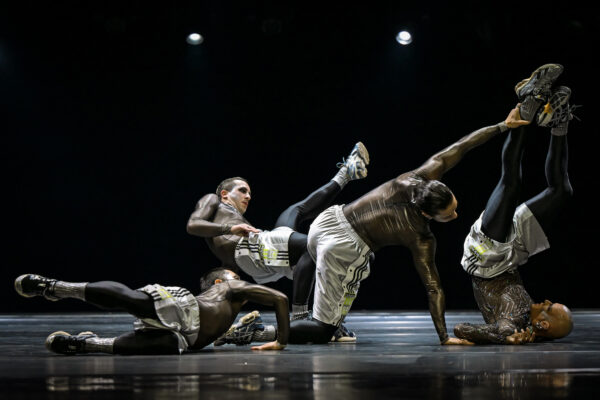
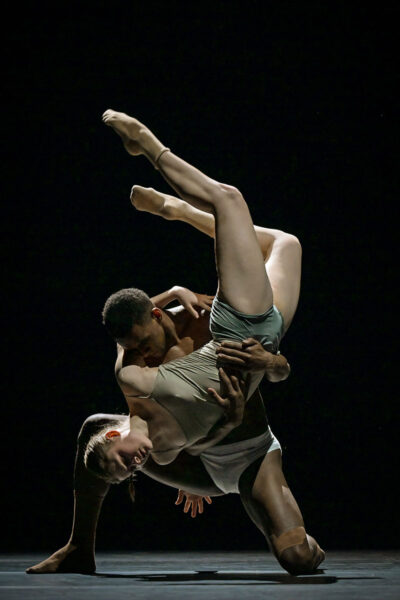
In Force Majeure, David Raymond & Tiffany Tregarthen explore the idea of existential vulnerability to an external force – one that may also be deeply rooted within ourselves. They ask to what extent this unpredictable variable in the equation of human life reappears throughout the ages, and how our inner climate is intertwined with the external one. They seek harmony between formation and dissolution – a pact between creation and destruction as the driving force for change within ourselves, our relationships with others, the world around us, and our future. The piece by the Canadian duo, set to compositions by French artist Angèle David-Guillou, premiered as a new creation for the Hessian State Ballet in the 2022/23 season at the Staatstheater Darmstadt. As part of Chronicles, an excerpt of the choreography will be restaged to David-Guillou’s works Forgetting Trees and Exocet.
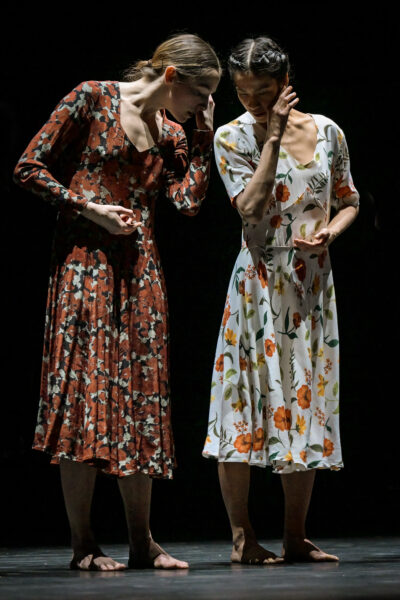
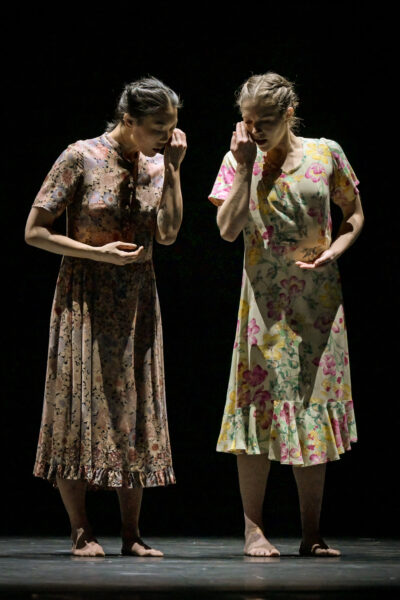
Bouffées by Leïla Ka is a restaging of the French choreographer’s independent production. The award-winning piece from 2022 presents five women trapped in the grip of grief—its causes unknown, but seemingly manifold. Feelings of overwhelm and liberation balance each other as the performers attempt to transform emerging sorrow into the power of life. Lined up in floral dresses, a physical and sonic cacophony unfolds, uniting breath, repeated gestures, and a rhythm of falling and rising again.
In Holding Space, Anouk van Dijk explores the power of three bodies in a space. For the Dutch choreographer, this is her first short piece in 25 years, following her successful full-length productions. Her dual-part choreography is set to the violin piece After Sorrow by David Lang from his Mystery Sonatas cycle and Duet by Steve Reich. Fascinated by the close yet open structure of both compositions – which oscillate between spiritually influenced baroque and mathematical construction – van Dijk creates an unstoppable dynamic through the synergy of dance and music. Its apparent simplicity reveals itself to be complex. Similarly, the space acts in a divergent manner – opening, then closing – in interaction with light and choreography.
In Moonfall, Dunja Jocić deals with extreme situations. Against the backdrop of current socio-political crises, the Serbian-Dutch choreographer examines the relationship between the individual and the collective during upheaval and restoration. She is particularly interested in how people perceive and act in a state of alert. Jocić works with Rewriting Beethoven’s Seventh Symphony Part 1 by Michael Gordon and The Whole’s Gone Missing by Renger Koning. In the two-part structure of her choreography, she uses the tense and sometimes chaos-inducing nature of the music to symbolize the fragile and unpredictable acts in the struggle between acceptance and rebellion.
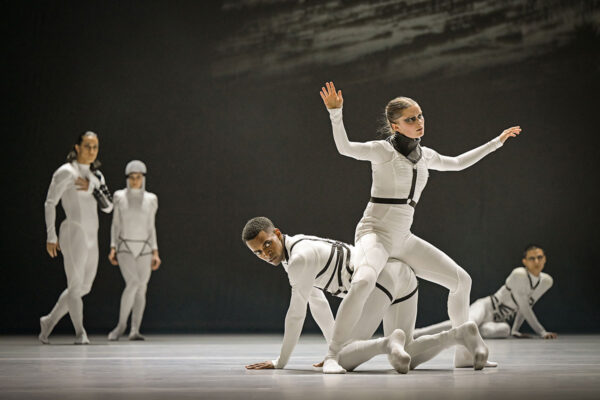
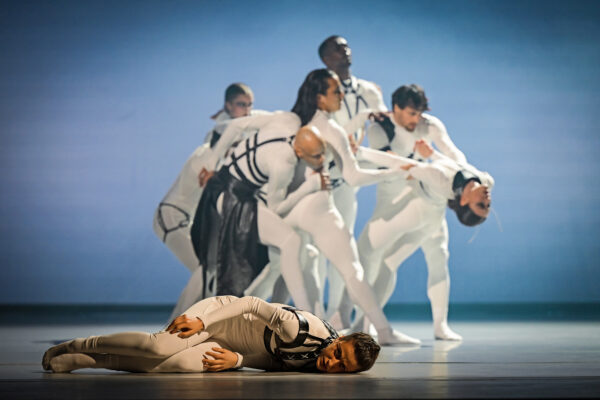
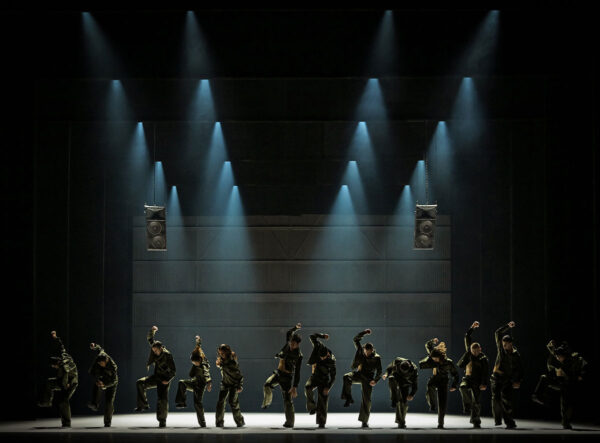
Finally, in The Mass Ornament, Spanish choreographer Fran Díaz reflects on an aspect of Siegfried Kracauer’s 1963 essay collection The Mass Ornament. In it, the philosopher – associated with the Frankfurt School – uses the example of the 1920s revue troupe The Tiller Girls to describe the rationalization of bodies as a socio-economic expression of mass production. Díaz brings this idea into the present and employs a wide spectrum of choreographic formations. Set to the relentless music of Henryk Górecki’s Concerto for Harpsichord and String Orchestra Op. 40 and an additional composition by Tom Foskett-Barnes, Díaz divides his piece into three sections. Precision, awareness, and exhaustion characterize the self-sacrifice for the whole in the choreography. Amid all the obsession with conformity, a kiss sometimes remains the last bastion of humanity.
Three Questions for…
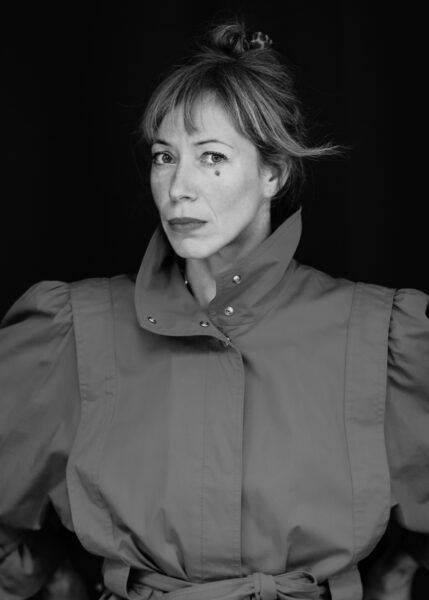
Three Questions for Choreographer Liliana Barros
What is your approach to exploring the figure of the faun?
I delve into connotations of the grotesque, the extraordinary, and imperfection. The figure in FAUNO represents an individual who reflects on the state of their soul beyond metaphor and symbolism. It’s about uncovering layers of emotional states burdened by self-doubt and a sense of incompleteness. Their thoughts wander through a dark underworld, marked by a longing for belonging and a search for identity that splinters into multiple self-images – an attempt to attain freedom.
How do music and choreography relate in your work?
I give choreography priority. When I work with an existing composition, it’s essential for me to feel a strong connection to the piece, as it greatly influences my process. In FAUNO, Debussy’s magnificent score provides the ultimate soundscape for this work. The exciting challenge was to add a contrasting layer. So, two artistic forms of expression coexist and interact with one another.
The costumes somewhat counteract the dance interpretation. Why this contrast?
I was searching for a way to oppose the idea of concealing emotional states. Almost like a mirror effect, I wanted to find something that ultimately reveals the eccentricity and exaggeration of the characters, thus challenging the fear of making inner darkness visible. The costume design carries a certain show-like atmosphere that contrasts with the characters’ opaque inner states. Like a crystal exposed to light, it reflects in many directions.
Liliana Barros
Portuguese-born Liliana Barros is an independent choreographer based in Germany. After completing her dance training at CODARTS in Rotterdam, Barros performed with several renowned companies, including Compagnia Zappalá Danza in Sicily, Pretty Ugly Dance Company in Cologne, the Ballet of the Saarländisches Staatstheater, and Compagnie Marie Chouinard in Montreal.
As a freelance choreographer, Barros has created commissioned works for companies such as Tanz at the Nationaltheater Mannheim, the Ballet of the Saarländisches Staatstheater, Gauthier Dance, the MiR Dance Company, the dance company at Theater Osnabrück, Nederlands Dans Theater 2, Tanz_Kassel at Staatstheater Kassel, and Staatsballett Hannover.
Her choreographic work is characterized by an intense theatrical atmosphere, where the elegant plasticity of the body intertwines with technical elements of dance in a deconstructed form. Among her independent productions are NERVURE, a highly acclaimed solo piece that won several international awards and toured worldwide, as well as MEMORABILIA and TECHNO FAUNA. The latter two received funding from the state of Lower Saxony and various other German foundations. TECHNO FAUNA was also nominated by the Stiftung Niedersachsen in 2022 as one of the most outstanding independent theater productions in Lower Saxony and was presented at the Best OFF Festival in Hanover. FAUNO is her first work for the Hessian State Ballet.
Three Questions for Choreographers David Raymond & Tiffany Tregarthen
In Chronicles, you present an excerpt from your creation Force Majeure.
In what ways are you approaching the material differently this time?
Our original process placed great emphasis on introducing the dancers to our physical interests – the transformation of weight, trajectory, momentum, and force. Now, we’re focusing more on visual language and encouraging the dancers’ imagination in relation to the space within, between, and around them. Since we now know them and the work itself much better, we’re searching for poetry in the details and looking for ways to bring more of their unique individuality into the piece.
How do you translate the existential theme of a “higher force” into your piece aesthetically?
Through an infinite harmony of formation and dissolution. This is expressed through the body, the group, and the stage design. The relationship between internal and external climate plays a crucial role. The dancers remain in a state of transformation. They are connected to one another and to the elements through a kind of psychic connective tissue. Light, set, and props function as hyper-objects beyond time and the human scale. Strength and power are expressed through revealed fragility.
You work with music by composer Angèle David-Guillou.
What role does it play in your creative process?
Angèle’s music is truly music to dance to. It was the inspirational starting point and guiding thread for the piece. It offers both the vastness of the cosmos and the depth of the inner world. Her music connects us to the mysterious, unexplainable relationship between nature and the cosmos. Additionally, Angèle creates an atmosphere akin to film music – the feeling of multiple interwoven timelines in different dimensions that influence one another.
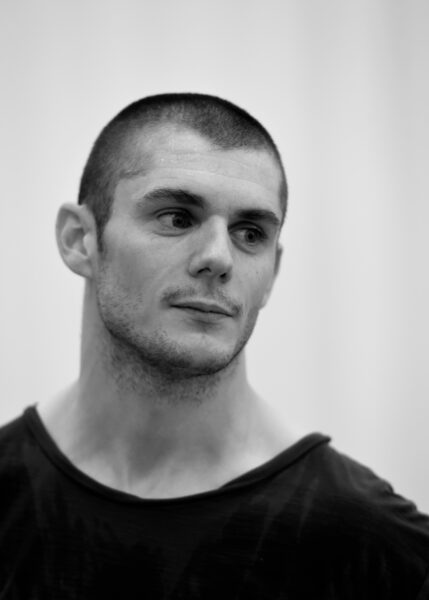
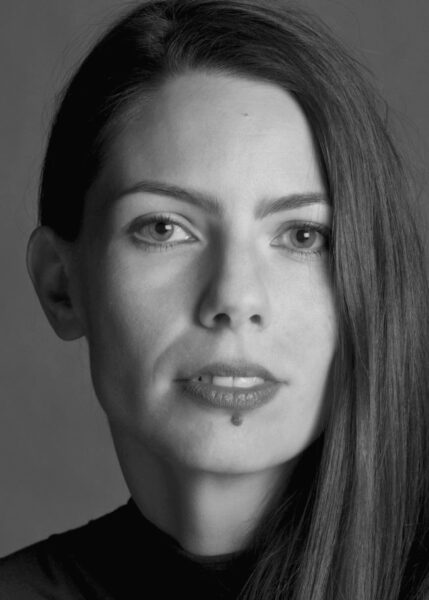
David Raymond & Tiffany Tregarthen
After collaborating for the first time in 2004, the Canadian choreographic duo spent a two-year residency in Antwerp, Belgium, to continue developing their creative partnership and refine their unique movement language. Their studies and early careers took them to New York, South Korea, Brazil, the Netherlands, the Czech Republic, and Italy, where they worked with institutions such as the London School of Contemporary Dance, Rotterdamse Dansacademie, Fontys Dansacademie, Hansung University, and New York University.
They performed with artists and companies including Justine A. Chambers, Company 605, Wen Wei Dance, and the Beijing Modern Dance Company. Both have had long-standing collaborations with Crystal Pite’s company Kidd Pivot, performing in acclaimed productions such as Betroffenheit and Revisor, both recipients of the Olivier Award.
In 2007, they founded their own company, Out Innerspace Dance Theatre, in Vancouver, on the traditional territory of the Coast Salish peoples. Determined to move beyond traditional aesthetics, they challenge the possibilities of contemporary dance through research and experimentation.
Since 2021, they have been creating works for major companies such as Ballet BC and Nederlands Dans Theater 2. Their acclaimed piece Bygones has been touring globally since 2019, reaching over 30 cities in 14 countries. Their choreography has been recognized with awards such as the CanDance Creation Fund (2014) and the Crystal Dance Prize (2019). They also held the title of Associate Artists of Agora de la Danse in Montreal for three years.
Beyond their artistic work, they run Modus Operandi, a training program that provides impulses for dance development and personalized mentorship. This program has already nurtured some of Canada’s most radical and inspired emerging dance artists.
James Proudfoot
James Proudfoot, a lighting designer and director of lighting, lives in Vancouver, Canada. He is originally from Edinburgh, Scotland, where he received his initial training in theatre.
A self-taught expert in dance lighting, he has created lighting designs for numerous artists and companies over the past 25 years. In addition to his ongoing collaboration with Out Innerspace Dance Theatre, he has worked with Ballet BC, Beijing Modern Dance Company, Justine A. Chambers, Company 605, Joe Ink, Action at a Distance, and Wen Wei Dance, among others.
Proudfoot is grateful to live and work on the traditional and unceded territories of the xʷməθkʷəy̓əm (Musqueam), Skwxwú7mesh (Squamish), and Sel̓íl̓witulh (Tsleil-Waututh) Nations.
Three Questions for Choreographer Leïla Ka
In Bouffées, you work exclusively with female dancers.
What perspective do you take on them?
I explore their strength, fragility, and resilience. It’s about raw energy—not clichés.
Can you briefly describe your choreographic approach?
Instinctive, physical, emotional. The movements come from within—urgent, necessary.
What role do the costumes play in the piece for you?
They shape identity, movement, transformation. They’re not decorative, but expressive.
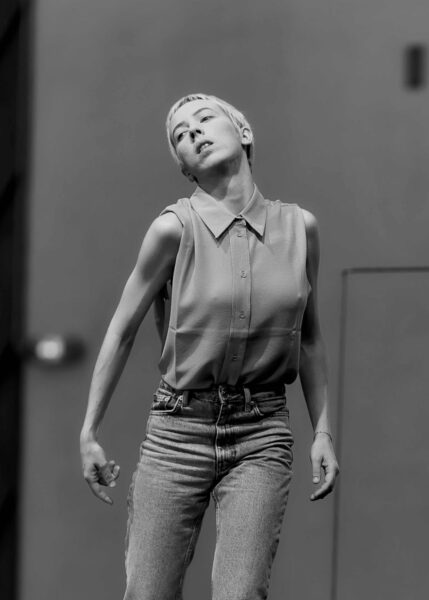
Leïla Ka
Within just a few years, French choreographer Leïla Ka has established herself as one of the most sought-after artists of her generation. Her dance work is powerful, theatrical, and precise.
Ka found her way into dance through urban styles, deliberately choosing a non-traditional path outside academic institutions. After performing in Maguy Marin’s acclaimed piece May B, she began creating her own choreographies, drawing inspiration from both urban and contemporary influences. Following the international success of her first three award-winning solo and duet pieces — Pode ser, C’est toi qu’on adore, and Se faire la belle — she created Maldonne, a group piece nominated in 2024 for the International Dance Prize at Sadler’s Wells in London.
She is currently an associate artist at CENTQUATRE – Paris, the scène nationale de Cavaillon, and the scène nationale de Dieppe.
The restaging of her piece Bouffées — which earned her first prize at the international Danse Élargie competition by Théâtre de la Ville de Paris in 2022 — marks her first collaboration with the Hessian State Ballet.
Three Questions for Choreographer Anouk van Dijk
You’re working with two very different violin pieces by David Lang and Steve Reich.
How do these two works relate to your choreography?
Lang’s music moves downward, like vertical forces gently pressing the dancers toward the ground as they try to rise. Reich’s music, on the other hand, is like windows opening: an endless panoramic landscape that unfolds horizontally. These contrasting atmospheres penetrate the dancers’ bodies, creating a constantly evolving chain of events that reconfigure familiar patterns and keep them in a state of perpetual transformation.
Can you briefly describe your work with the dancers within the framework of your
Countertechnique?
I’m interested in a three-dimensional movement language that connects the dancers to the infinite space around them. Countertechnique helps them balance the tension between freedom and control, between the body’s limits and its limitless potential. This equilibrium—this dichotomy—has always fascinated me, and I use this methodology to explore freedom within the physical boundaries of the body alongside the dancers.
What influence do costumes and set design have on your choreographic process?
The tension between physical space and the individual is my starting point. In Holding Space, the stage becomes a vast emptiness in which the dancers seem lost—like fragile flowers, standing resilient in a nature torn away from the world. Jessica Helbach’s costume designs continually create unique beings and explore the tension between the natural and the artificial, the personal and the political. Each time, they challenge me to view my own work from a new perspective.
Anouk van Dijk
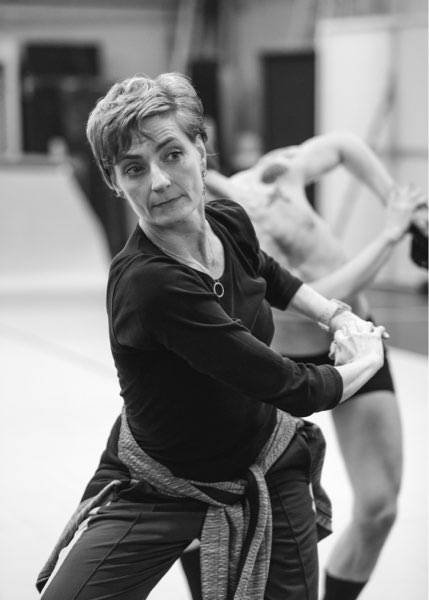
Dutch choreographer, director, and creator of Countertechnique, Anouk van Dijk has become a defining voice in contemporary dance. From 2012 to 2019, she served as Artistic Director of the leading Australian dance company Chunky Move, and from 1999 to 2011, she led her Amsterdam-based company anoukvandijk dc.
Her work ranges from architectural grandeur to stripped-down minimalism, from spectacle to intimacy. Van Dijk stages her creations across a variety of contexts—from black box theaters and proscenium stages to site-specific performances—always placing the fragile yet defiant human figure in a world that is unstable and constantly shifting.
At the core of van Dijk’s artistic practice is Countertechnique, a movement system she developed to provide dancers with practical tools for a versatile dance practice in the 21st century. It emphasizes the process of transforming information into action.
Van Dijk has collaborated across disciplines with artists such as Ho Tzu Nyen (Singapore), Theun Mosk (Netherlands), Marg Horwell (Australia), and Ian Strange (USA/Australia). Her long-standing partnership with German writer and director Falk Richter has resulted in seven full-length works, including TRUST (Schaubühne Berlin), RAUSCH (Schauspielhaus Düsseldorf), and TOUCH (Münchner Kammerspiele).
Since 2019, van Dijk has worked internationally as a freelance choreographer, creating works for institutions including Staatsballett Berlin, Münchner Kammerspiele, and Skånes Dansteater (Sweden). In 2012, she received the Swan Award, the most prestigious dance prize in the Netherlands, recognizing her outstanding artistic and academic contributions to dance in her home country. Her movement technique Countertechnique has gained global recognition.

Jessica Helbach
Dutch designer, artist, and curator Jessica Helbach works across theater, dance, visual arts, and education. Originally trained as a fashion designer and visual artist, Helbach has pursued a wide range of interdisciplinary projects, focusing primarily on the relationship between art and fashion. Her designs, exhibitions, and artworks are based on a guiding principle in which time is perceived as cyclical rather than linear.
Exhibitions such as Six Yards at the Arnhem Museum (2012) — as a member of the artist collective Suze May Sho — reflect this approach, exploring the past and present of Vlisco fabrics. In the exhibition, the fabrics were treated as equal to contemporary art. A similar method was employed in the exhibition series Moonshot at the Valkhof Museum in Nijmegen (2022), created in close collaboration with Flos Wildschut, which presented contemporary art and scientific heritage in harmony.
Helbach joined the Suze May Sho collective in 2003, alongside Connie Nijman and Rosell Heijmen. The group was a pioneer in online exhibitions, developing www.projectprobe.net and a transhistorical, multidisciplinary approach to design and exhibition curation.
Helbach’s work as a costume designer—including collaborations with Anouk van Dijk and Nicole Beutler—directly reflects her ongoing commitment to an expanded field of disciplines, including archaeology, science, and cultural heritage. She has contributed to numerous productions for prestigious institutions such as Schauspielhaus Bochum, Malmö Opera, and the Philharmonie Luxembourg.
As an educator, she is dedicated to interdisciplinary knowledge exchange and specializes in crossover projects.
Three Questions for Choreographer Dunja Jocić
In Moonfall, you address the challenges of our time. What are these for you?
I’m interested in how societal structures function in times of crisis. I can’t ignore the global state of the world, especially in relation to my own background. The way countries are governed—power, manipulation, chaos, order, resistance, and belief, to name just a few aspects—became the central theme of my choreographic exploration. A key element for me is the mental state in difficult times, and what it takes to survive.
To what extent did the music by Michael Gordon and Renger Koning influence the development of your piece?
Usually, I have music composed during the creative process. In the end, I start piecing it together, almost like editing a film. In this case, the music was set from the very beginning, and I was, in a way, guided by it. Both works carry a strong internal dramaturgy. I play with their musicality—sometimes using it as a driving force for movement, composition, and intensity; other times, I try to move through it and create an additional choreographic layer that shifts our perception of the music.
What role do set and costume design play in your work?
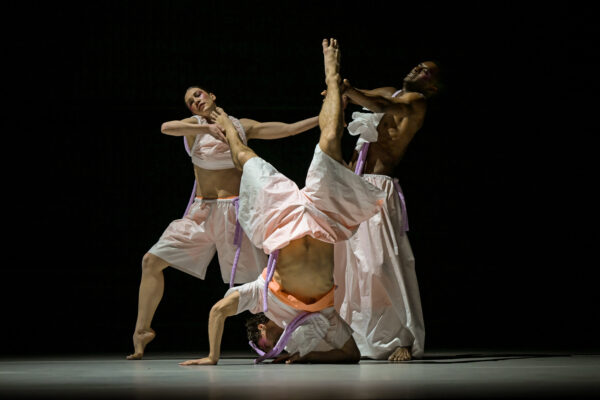
The stage and costume design were the first things that came to me. This white image was so vivid, I couldn’t let go of it—everything else followed from there. The “purity” of white, contrasted with the intensity of the theme, creates a powerful juxtaposition. The costumes feel like armor—they unify the group, while still allowing each dancer to be seen as a distinct individual with a defined personality.
Dunja Jocić
Serbian-Dutch choreographer Dunja Jocić began her artistic journey as a professional rhythmic gymnast, becoming Vice-Champion of Yugoslavia and a member of the Yugoslav Olympic team before transitioning into a career in dance.
Jocić is based in Amsterdam, where she has led her own company since 2016. Her work has received numerous awards, including the prestigious Swan Award for Best Dance Production 2020/21 for The Panter. In addition to producing works with her own company, Jocić has created pieces for various ensembles such as Spellbound Dance Company (Italy), Gauthier Dance, Club Guy & Roni (Netherlands), Staatstheater Braunschweig, Theater Bielefeld, and Stadttheater Osnabrück.
She also creates work for the screen. Her dance film Bird (2015) was nominated for the Golden Calf Award, the most prestigious film prize in the Netherlands. Her latest work will appear in Peter Greenaway’s new film Lucca Mortis, starring Dustin Hoffman, Helen Hunt, and Sofia Boutella.
Moonfall marks her first creation for the Hessian State Ballet.

Ivana Vasić
Serbian designer Ivana Vasić was born in Belgrade. After receiving a diverse classical education with a focus on German language and literature, as well as training in ballet, visual arts, and sports, she decided to study costume design at the Faculty of Applied Arts and Design in Belgrade. Even during her studies, she received her first professional commissions.
Since completing her Master’s degree in stage costume design, she has worked on a wide range of projects both nationally and internationally. Her portfolio includes over 70 theatre productions, numerous films and TV series, dozens of commercials, and hundreds of costume designs for advertising and the HoReCa industry (Hotel/Restaurant/Café).
Notable projects include the films The Machine (Legendary/Sony Pictures), Tarot (Sony Pictures), and The Deal (Electric Entertainment); the TV series Besa (Season 1), The Outpost (Seasons 2, 3, and 4), The Ark (Seasons 1 and 2), and The Librarians: TNC (Seasons 1 and 2). She also designed costumes for the Serbian Pavilion at Expo Dubai 2020, as well as the official competition gear for the Serbian national diving team.
Her projects span a wide range of genres, including medieval fantasy, science fiction, action comedy, horror, contemporary crime drama, and fashion design. Vasić is also a trained diver and serves as the Secretary General of the Serbian Diving Federation on a voluntary basis.
Three Questions for Choreographer Fran Díaz
What is the connection between your piece and Siegfried Kracauer’s The Mass Ornament?
I’m interested in Kracauer’s reflections on popular entertainment—like the synchronized dance routines of the Tiller Girls—as a mirror of capitalist rationalization. Their geometrically precise choreographies reflect the mechanized logic of mass production. I wanted to create a human “mass ornament” within a contemporary neoliberal context—a world that views individuality as radically free, yet is shaped by economy and technology. During the process, a network of care and collaboration emerged in which individuality and collectivity are not at odds but exist in dialogue.
How do you develop choreography to the rather fast-paced music of Henryk Górecki?
Górecki’s Concerto for Harpsichord is a short but intense piece with two contrasting movements. The first, romantic yet mechanical, contrasts with the fragmented choreography. The second, full of feverish energy, picks up Kracauer’s idea of self-dissolution within rigid structures and echoes the principle of the mass ornament. The choreography navigates between these extremes through an interlude by Tom Foskett-Barnes, gradually transitioning from chaos into ordered movement.
What role do set, costumes, and lighting play in your work?
Given the complexity of the choreography and music, I opted for a minimalist set design. The costumes, in particular, are a subtle reference to American dance ensembles of the 1980s—a simple, contemporary silhouette that functions both as a uniform and as a nod to Kracauer’s connection to American culture. I wanted to evoke an aesthetic vaguely reminiscent of A Chorus Line (1985), suggesting a world where performance, discipline, and spectacle collide.
Fran Díaz
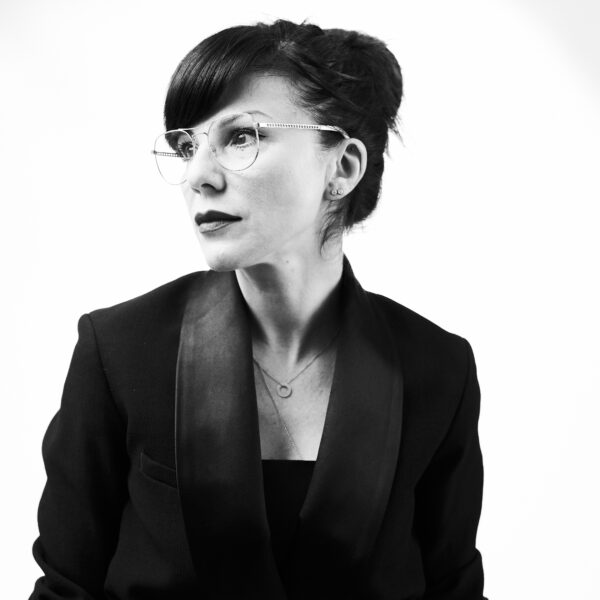
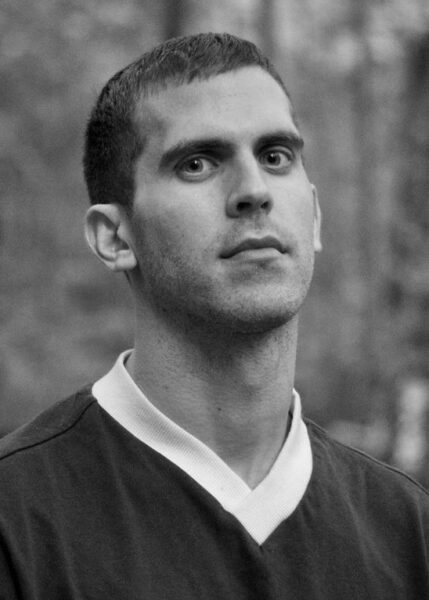
Spanish choreographer Fran Díaz lives in Germany. He trained at the National Ballet School of Canada in Toronto and danced with Leipzig Ballet and Staatsballett Hannover under the direction of Marco Goecke. He later shifted his focus to choreography.
His work, often developed within multidisciplinary projects, frequently explores themes such as community, the need for belonging, and the reconfiguration of physical spaces and boundaries. He is also interested in the intersection with queer culture and the structuring of institutions.
In 2020, he won third prize at the International Choreography Competition in Hanover with his piece Toothpicks, and in 2021 he was a finalist at the Copenhagen International Choreography Competition with I’ll do the talking. In 2023, he premiered The Habit, a new work for the Bavarian State Ballet, and created two further pieces within the independent dance scene: Born by the Sea and Scheme. The latter examines the challenges of structural transformation by investigating complaint processes within dance institutions.
With Born by the Sea, Díaz was selected among the TwentyArtists for Spring Forward 2024, a program of the European dance network Aerowaves.
The Mass Ornament marks his first collaboration with the Hessian State Ballet.
Musical Direction & Lighting
Tanja Rühl
Born and raised in Germany, Tanja Rühl began her training as an event technician in 1999 at Oper Frankfurt (Municipal Theatres of Frankfurt) and moved in 2002 to Ballett Frankfurt under the artistic direction of William Forsythe.
After the founding of The Forsythe Company in 2005 and completing her Master certification in event technology with a focus on lighting in 2007, Rühl took on the role of Head of Lighting for the company. That same year, she began creating her first lighting designs for dance productions, initially outside the company but soon also for Forsythe himself.
As a member of the Forsythe Productions team, she consults international dance companies on the technical and artistic realization of Forsythe’s works and continues to work as a designer for his new projects. Since July 2014, Rühl has been working as a freelance lighting designer for the performing arts, collaborating with international choreographers, artists, and companies.
Her designs have featured in productions at renowned venues such as the Opéra Garnier in Paris, Brooklyn Academy of Music in New York, Tate Modern in London, Kawasaki Arts Center in Japan, Ruhrtriennale Jahrhunderthalle in Bochum, and Taichung National Theater in Taiwan.
In addition to her work on stage, Rühl teaches fundamentals of lighting design and offers insights into the technical aspects of stage lighting in workshops, including at the Palucca University of Dance Dresden and the University of Music and Performing Arts Frankfurt (HfMDK).
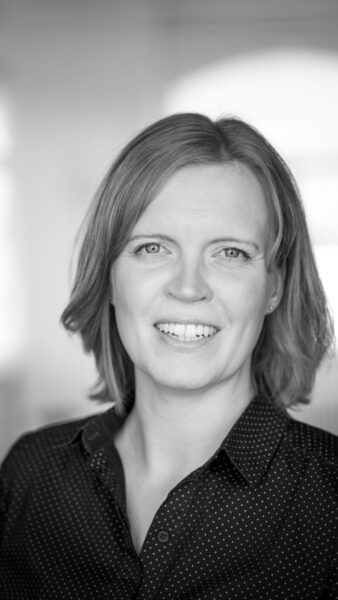
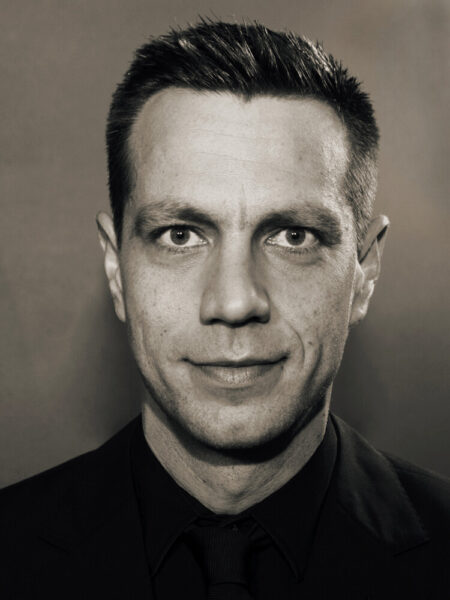
Albert Horne
South African conductor and chorus master Albert Horne studied at the Guildhall School of Music and Drama in London. From 2007 to 2014, he served as Chorus Director and Conductor at Cape Town Opera in South Africa. In 2013, his chorus was awarded “Chorus of the Year” at the International Opera Awards in London. In 2012, Horne was the chorus master for Gershwin’s Porgy and Bess with the Berlin Philharmonic under Sir Simon Rattle.
Since 2014, he has been Chorus Director and Conductor at the Hessian State Theatre in Wiesbaden.
In addition to rehearsing the full choral repertoire, Horne has conducted numerous productions at the theatre, including Candide (Bernstein), Madama Butterfly (Puccini), Boris Godunov (Mussorgsky), Peter Grimes (Britten), La Bohème (Puccini), Schönerland (world premiere by Søren Nils Eichberg), Liliom (ballet by Tim Plegge), Anna Nicole (Turnage), Babylon (Jörg Widmann), Il trittico (Puccini), Oryx and Crake (world premiere by Søren Nils Eichberg), and Follies (Stephen Sondheim), as well as three symphonic concerts and a New Year’s concert with the Hessian State Orchestra.
From 2022 to 2024, in addition to his role as chorus director, he served as Coordinating Musical Director at the Hessian State Theatre Wiesbaden.
As an orchestral conductor, Horne has worked with ensembles such as Orchestra Victoria (Melbourne), Orchestre Pasdeloup (Paris), and at opera houses in Bordeaux, Malmö, Tel Aviv, London (ENO), and Cardiff (WNO). As a guest conductor, he led the State Youth Orchestra of Rhineland-Palatinate on a tour through Germany, South Africa, and Botswana in 2018.
Further guest engagements have taken him to the Munich Symphony Orchestra at the Gasteig and the Prinzregententheater in Munich, as well as to the Rhineland Orchestra Academy in Mainz.
As a pianist, he has performed in the USA, United Kingdom, Australia, France, Sweden, and Germany.
In the 2024/25 season, Horne conducts Chronicles as well as Mozart’s The Magic Flute and Puccini’s Tosca at the Hessian State Theatre Wiesbaden.
Alice Meregaglia
Italian conductor and pianist Alice Meregaglia studied at the Conservatory of Venice and the University of Milan, earning a piano diploma and a master’s degree in musicology, respectively. She later graduated with top marks with a master’s degree in opera coaching at the Conservatory of Milan (under Umberto Finazzi), followed by a specialization diploma in conducting from the Conservatory of Strasbourg.
In 2012, she joined the Opéra Studio of the Opéra du Rhin as répétiteur and assistant conductor. In 2016, she moved to Theater Bremen, initially as chorus director and vocal coach, later also as a conductor. There, she conducted numerous productions, including La rondine, La cambiale di matrimonio, L’occasione fa il ladro, Il trovatore, L’elisir d’amore, L’étoile, Don Giovanni, Le nozze di Figaro, Così fan tutte, L’impresario Dotcom by Ľubica Čekovská, Fauré’s Requiem, and Puccini’s Messa a 4 voci.
She is regularly invited to international opera houses (including the Bregenz Festival, Elbphilharmonie, Hamburg State Opera, Opéra national du Rhin, Norrlandsoperan) and collaborates with ensembles such as the Bremer Philharmoniker, Nice Philharmonic Orchestra, and the Slovak National Theatre Orchestra in Bratislava.
In addition, she works as a répétiteur in numerous masterclasses, including with Teresa Berganza, Luciana Serra, Renata Scotto, Anna Vandi, Elisabeth Wilke, and Sylvie Valayre, and has collaborated with conductors such as Marco Comin, Mirga Gražinytė-Tyla, Marko Letonja, Klaus Mäkelä, John Nelson, Markus Poschner, and Christopher Ward.
Meregaglia is the recipient of the Kurt Hübner Prize (2018) and currently serves as Chorus Director and Conductor at the Staatstheater Darmstadt. In March 2025, she will conduct La Cenerentola (Cinderella), directed by Achim Freyer. She also teaches The Art of Recitative and Italian Repertoire at the University of the Arts in Bremen.
Starting with the 2025/26 season, she will become Chorus Director at the Hamburg State Opera.
Sponsors

The Team
Ballet Director Bruno Heynderickx
Ballet Masters Alison Brown, Jaione Zabala Martin
Dramaturge Lucas Herrmann
Company Manager Lisa Marie Heidrich
Production Manager Mara Eckert
Production Manager Dance Platform Rhein-Main Melchior Hoffmann
Technical Production Manager Dietmar Janeck
Stage Manager / Ballet Master Uwe Fischer
Head of Dance Education Nira Priore Nouak
Dance Education Ludmila Komkova
Ballet Rehearsal Pianist Waldemar Martynel
Musical Assistant Daniel Lett
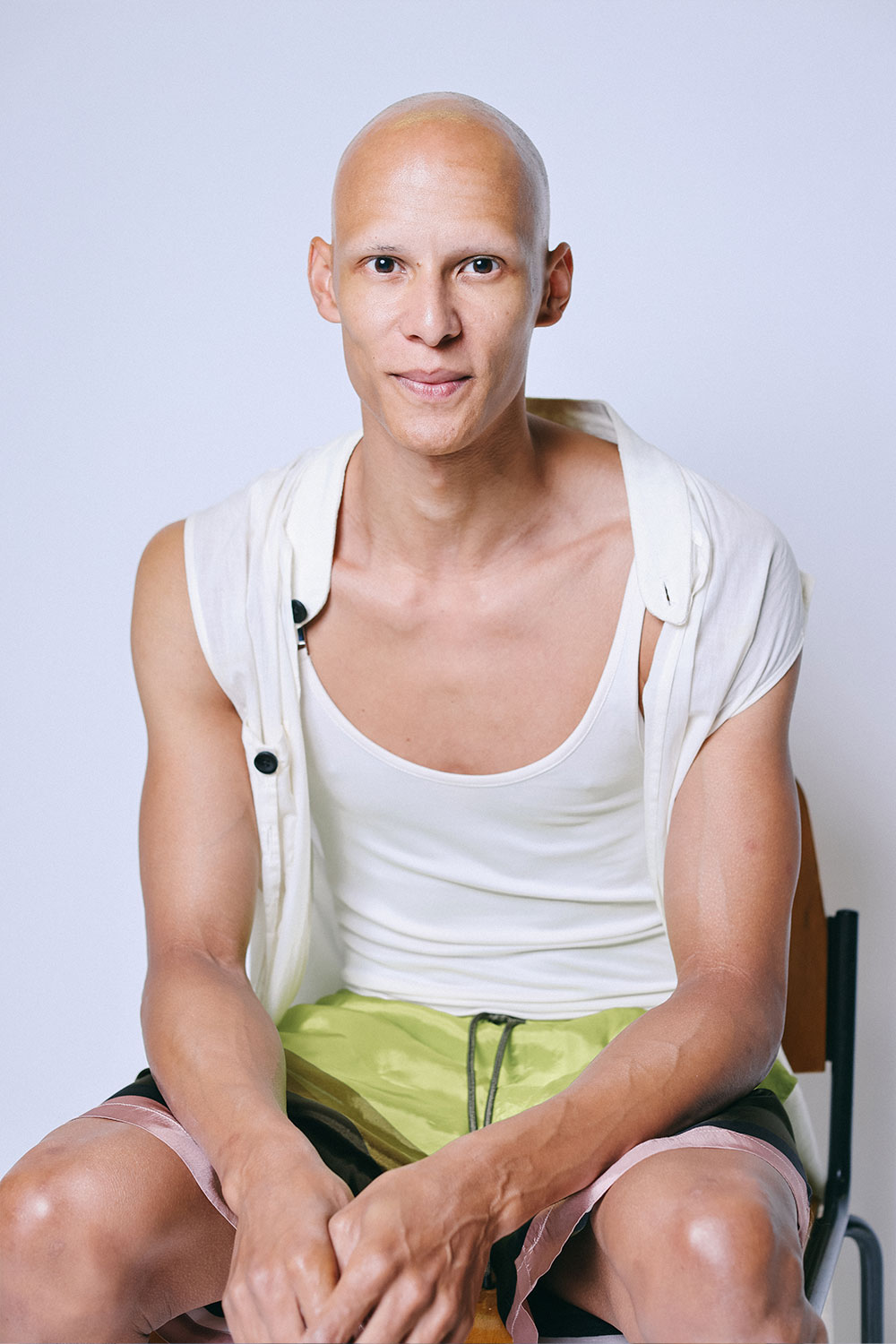
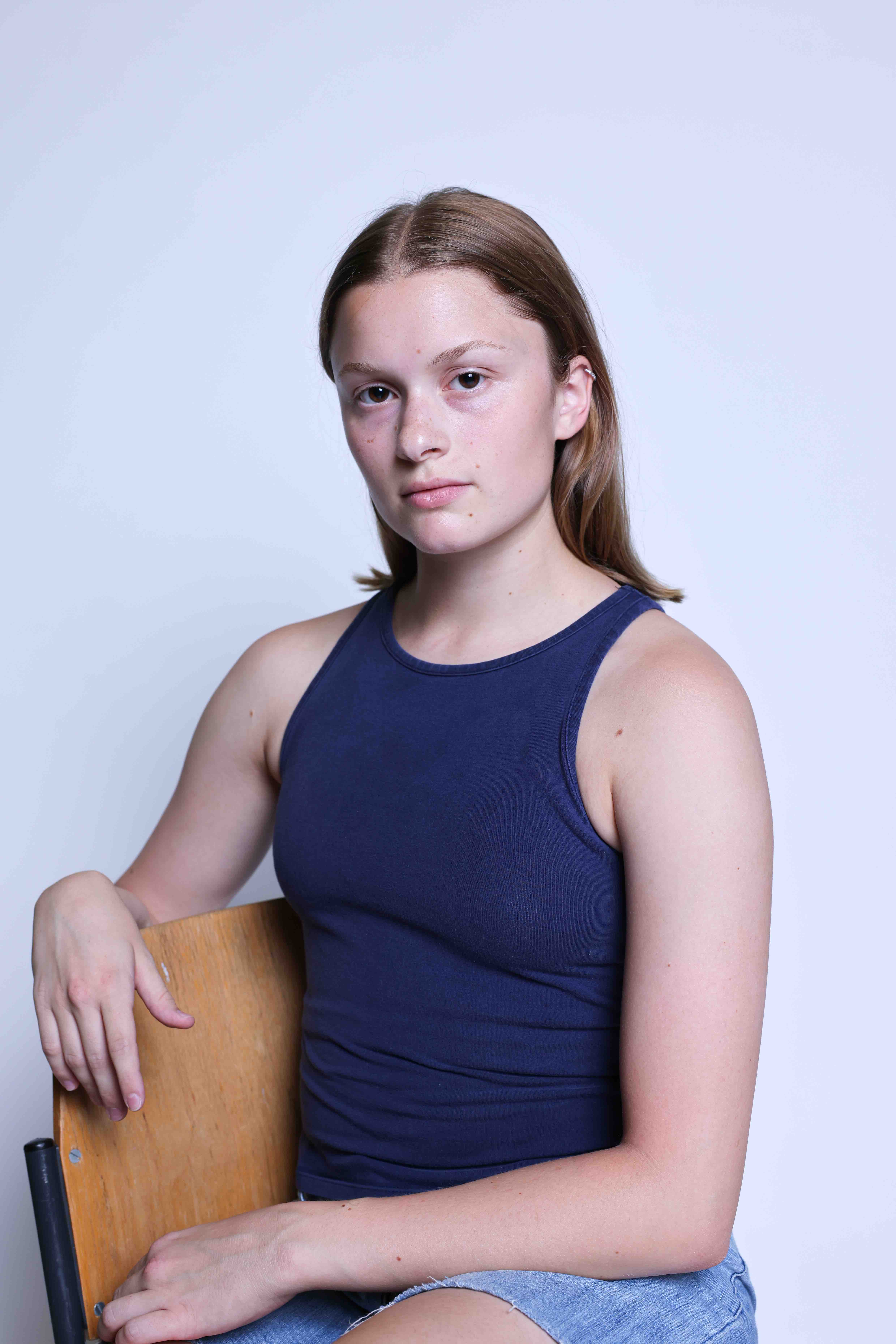
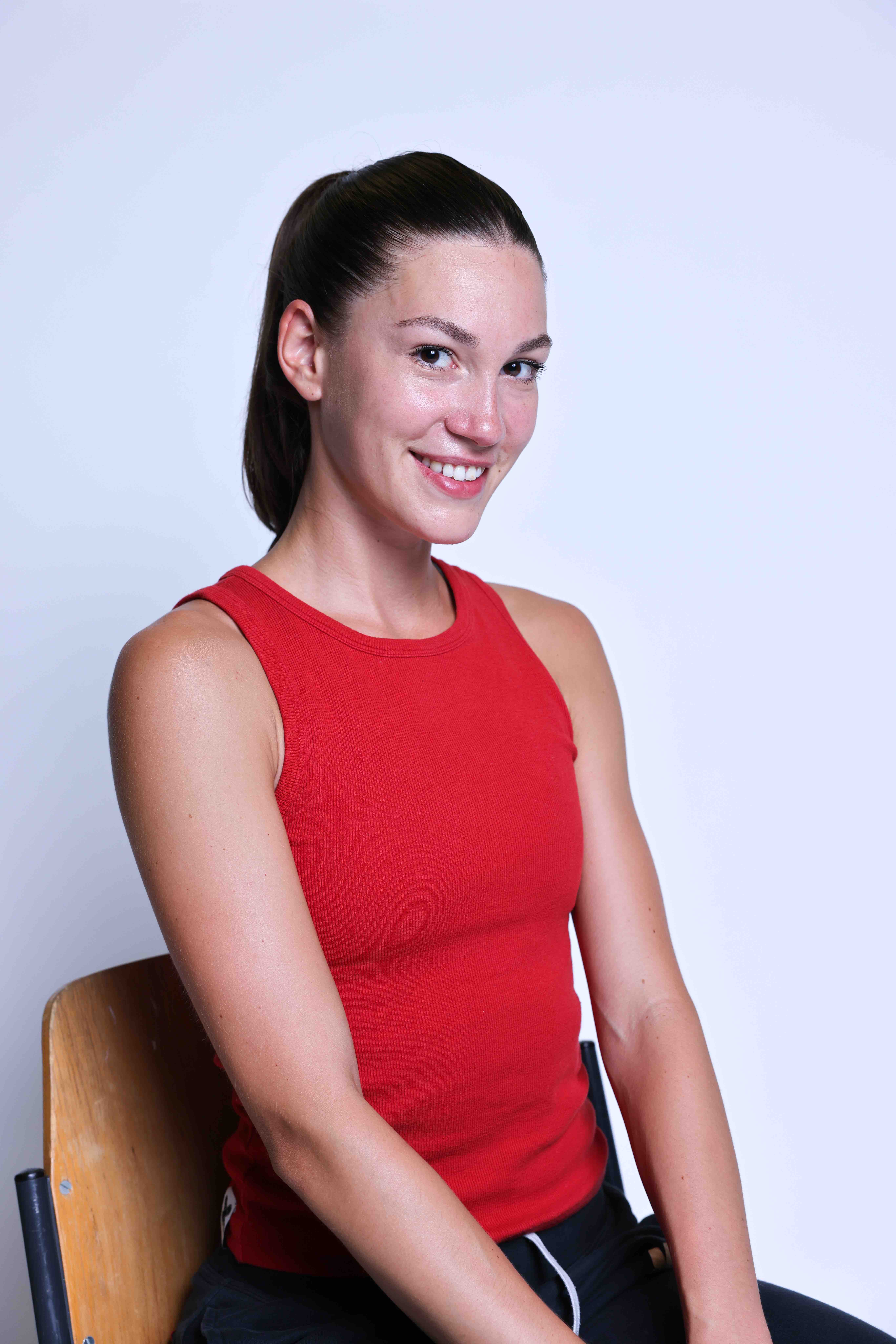
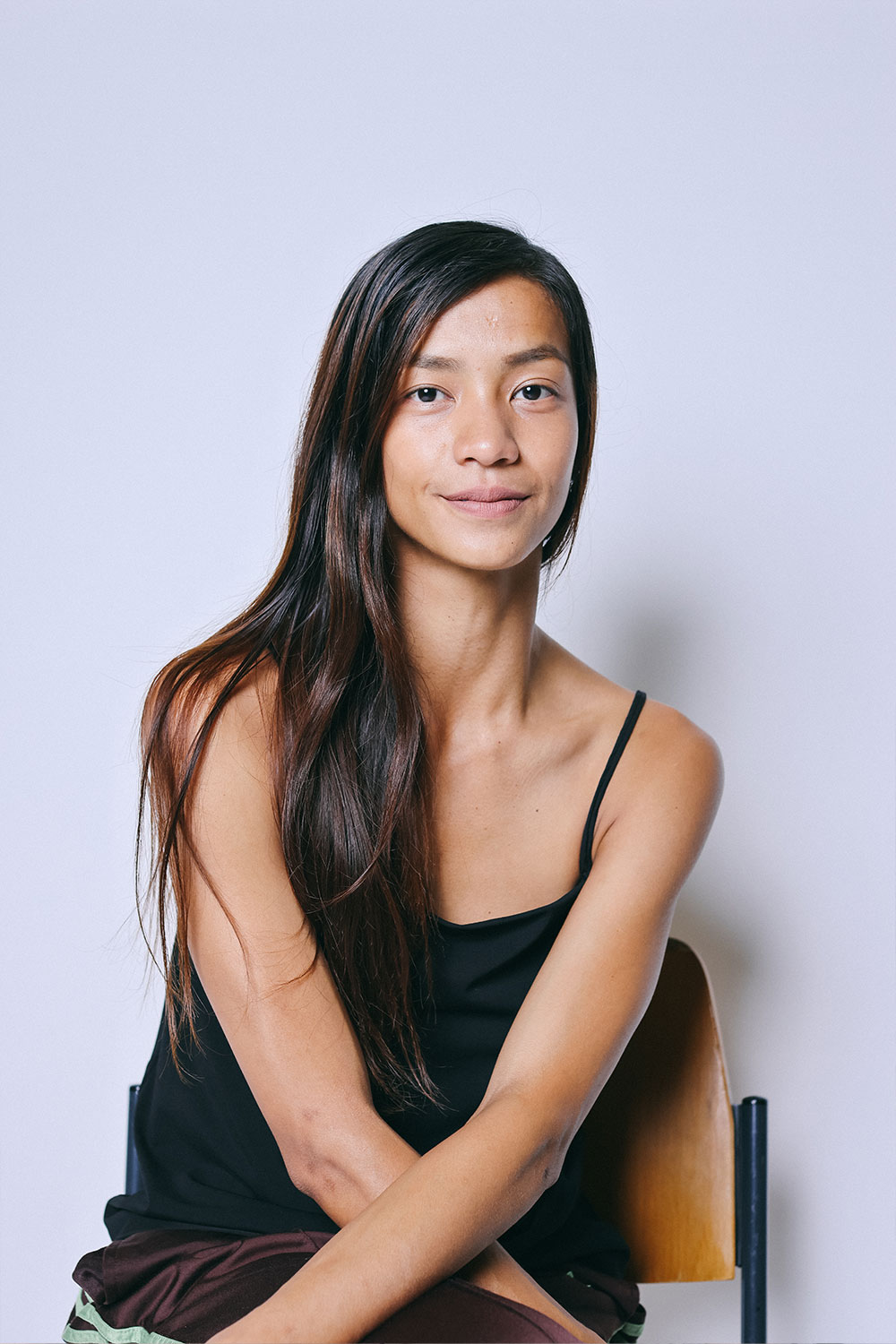
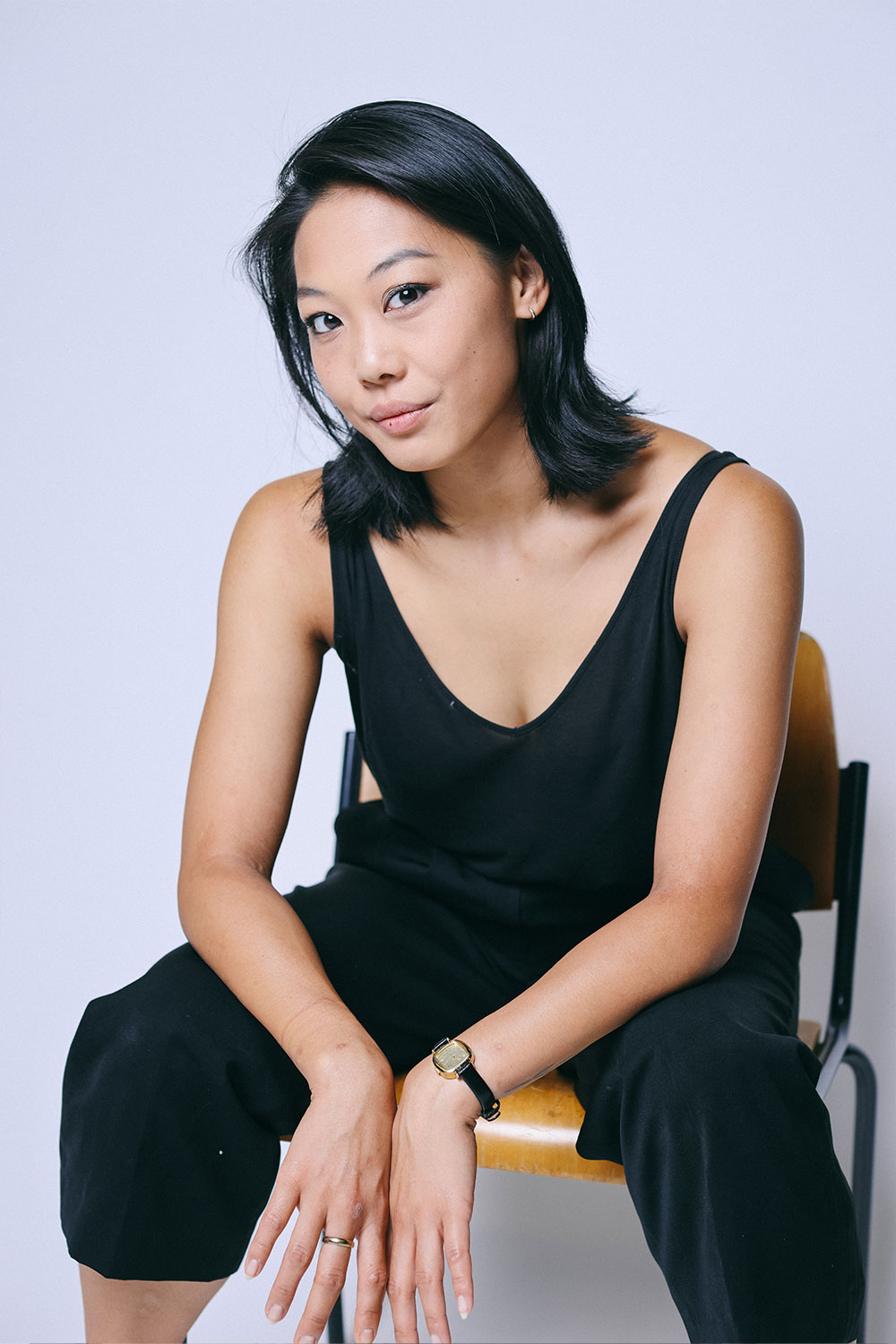
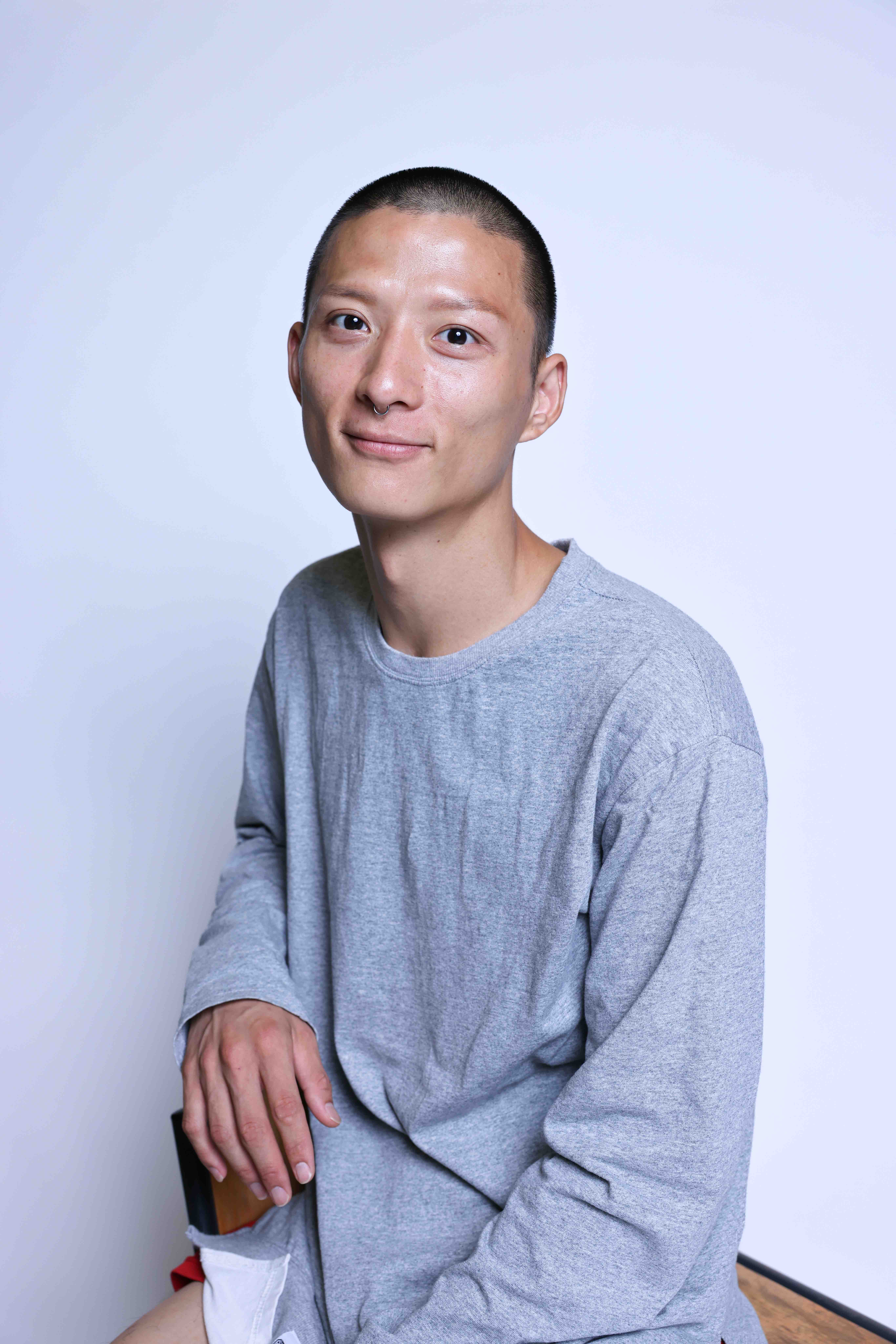
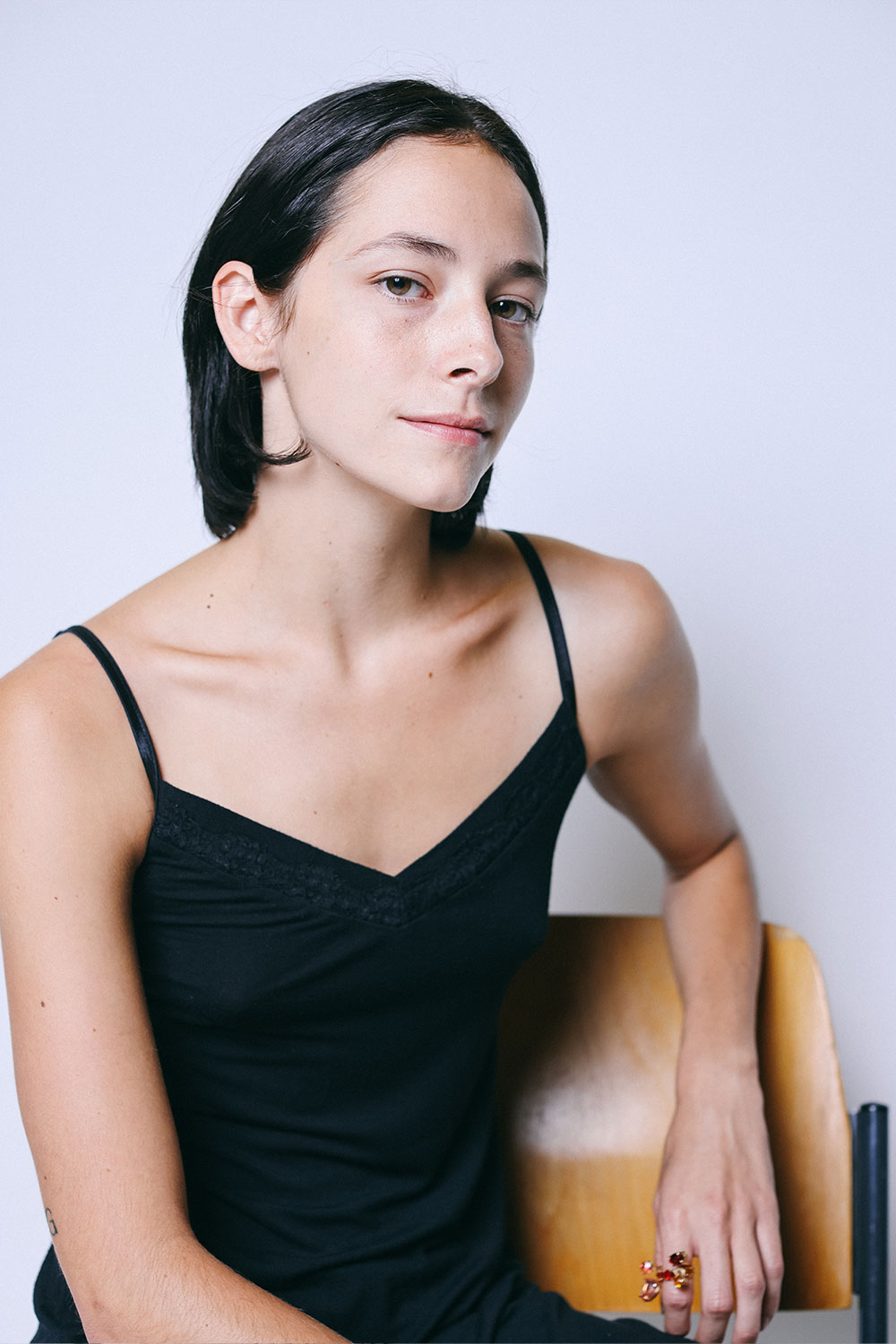
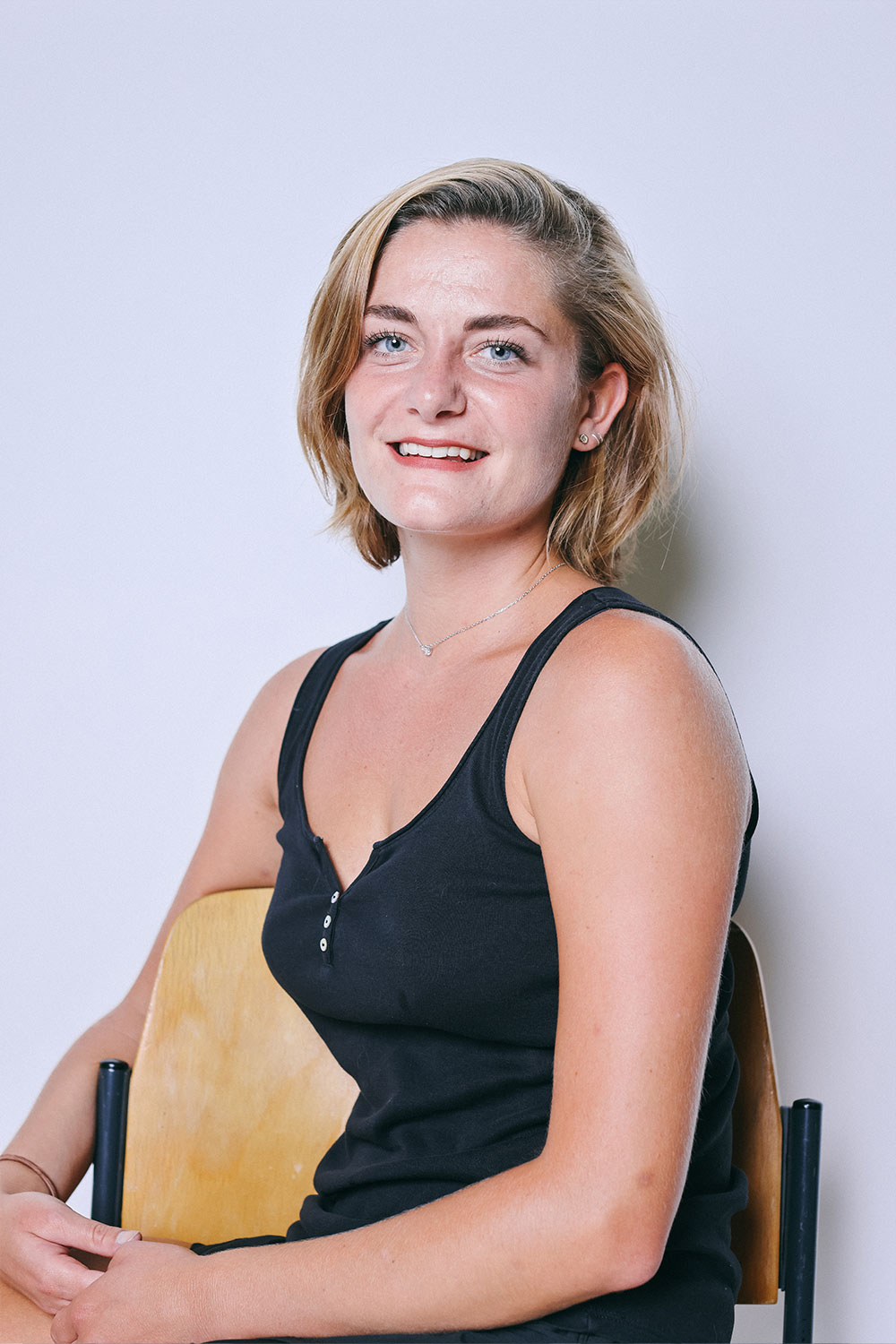
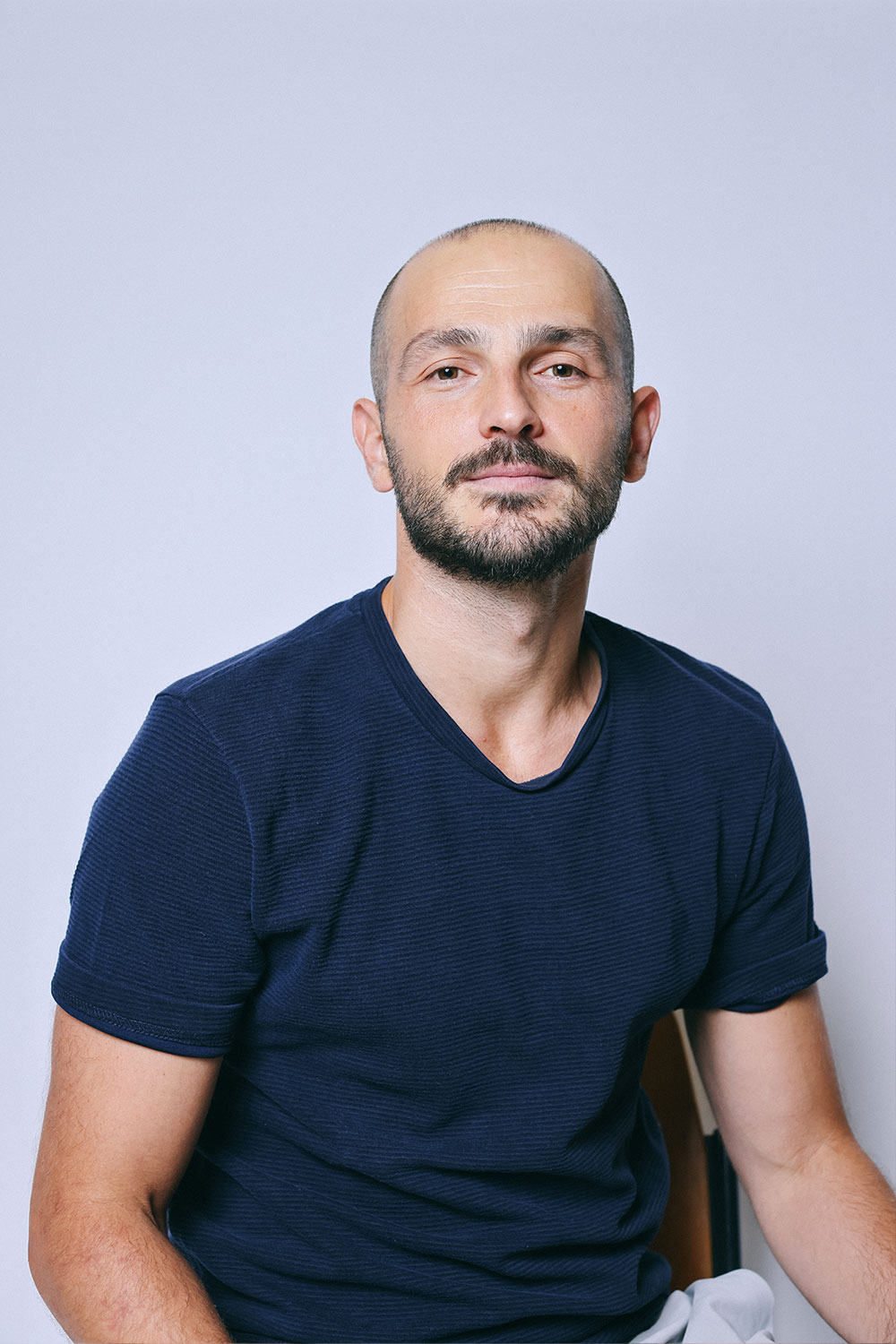
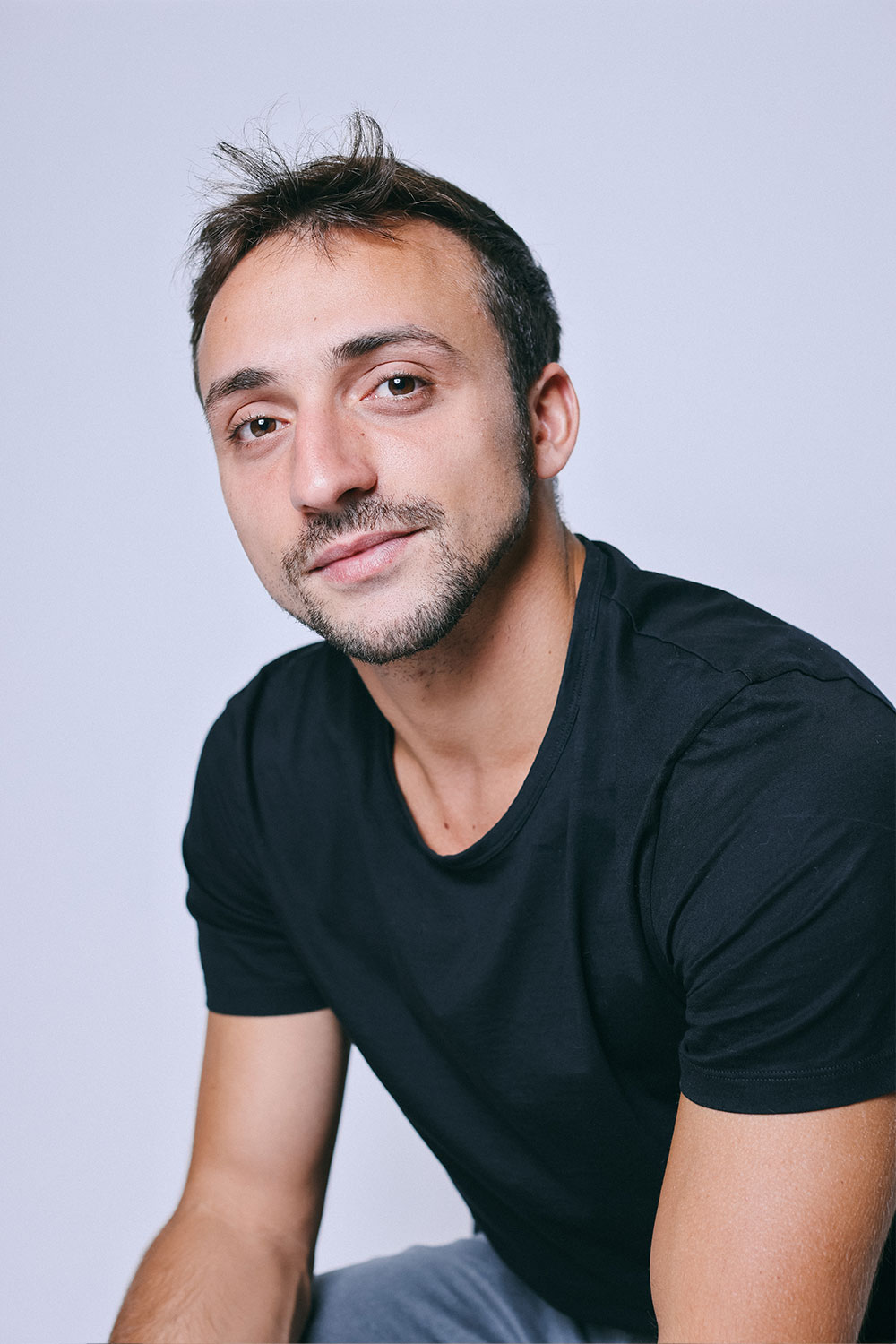
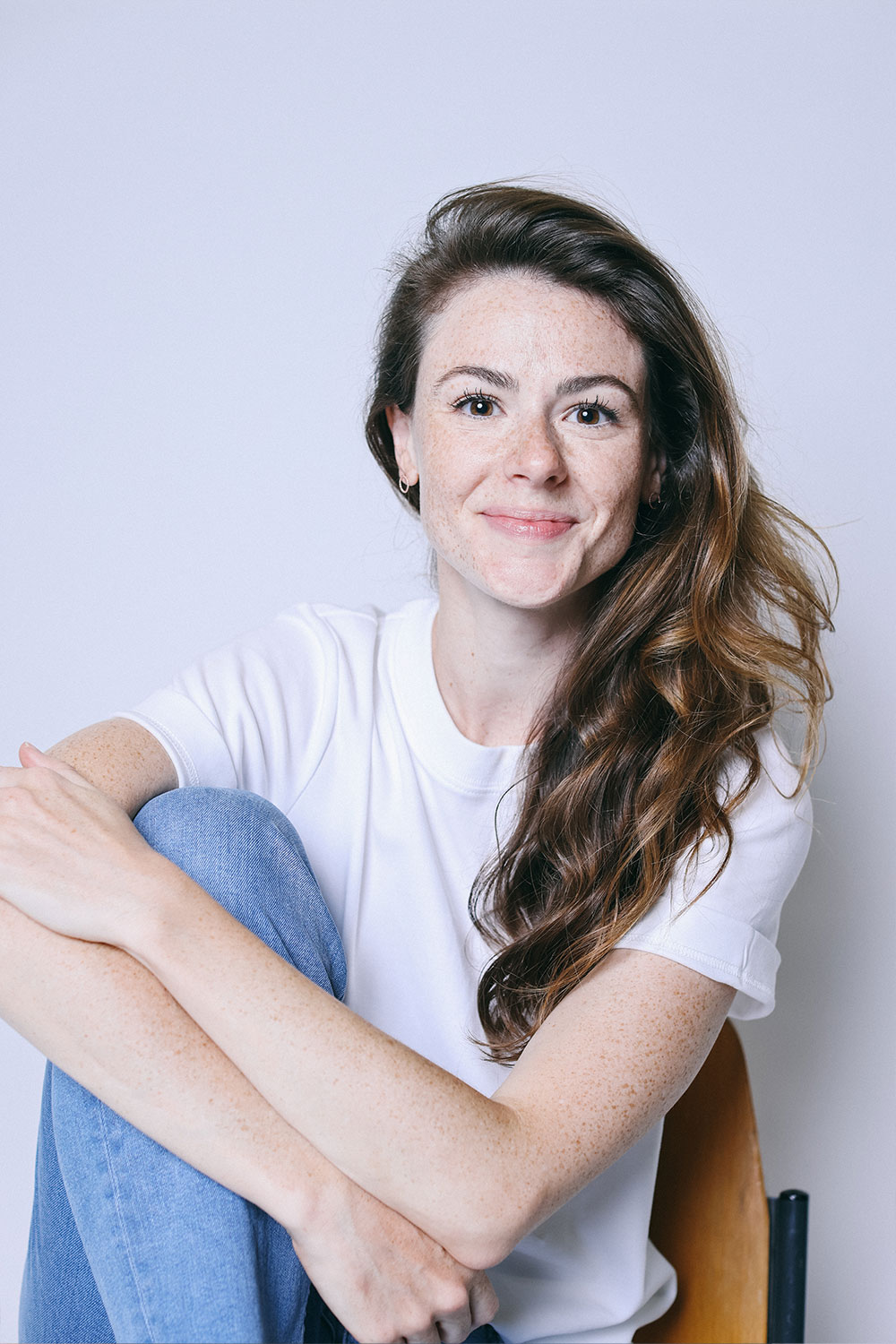
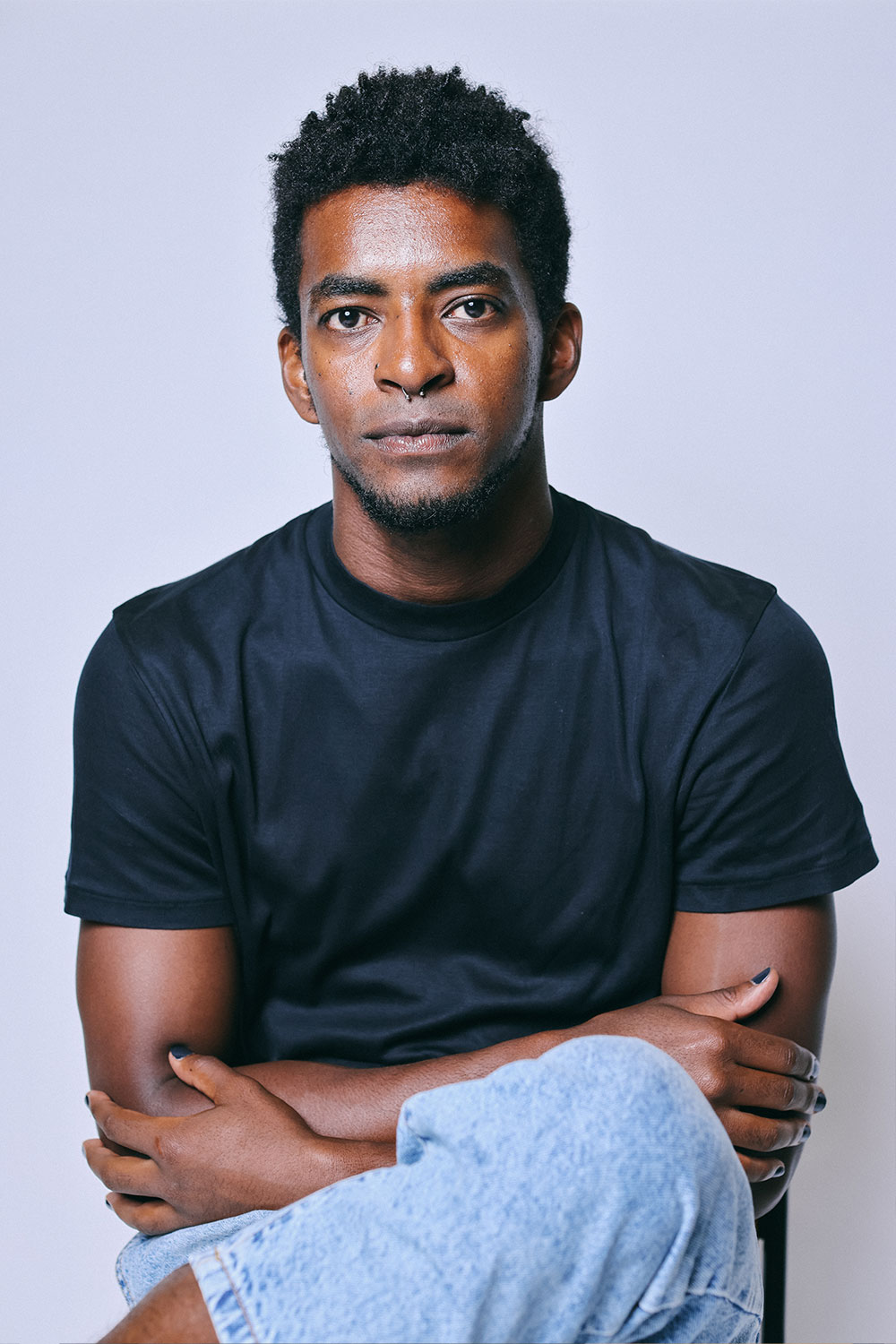
The dancers











Friends of the Hessian State Ballett
Do you love dance and ballet? Then become a member!
Friends of the Hessian State Ballet e. V.
Christian-Zais-Strasse 3, 65189 Wiesbaden
info@freunde-des-hessischen-staatsballetts.de
Chairperson: Dr. Gabriele Sophia Volmer